
7 Steps to Build a DIY Tackle Kit for Quick Fishing Trips
Last Updated: November 12, 2026
Quick Summary
A diy tackle kit for quick fishing trips is a small, pre-packed box of rod, line, hooks, and bait that lets you leave on short notice. Pack it under about five pounds so it fits in one hand, and keep shelf-stable bait so no cooler is needed.
- A grab-and-go box works around one rule: if it isn't ready in five minutes, it stays home.
- Pack 10 offset hooks, 6 circle hooks, 12 split shot, 5 egg sinkers, 3 bobbers, and 6 snap swivels.
- Organize fishing tackle by task, not by type, so your hand finds the right item without digging.
- Shelf-stable cut bait stays firm for many months without a cooler, so no ice is needed.
- Match spare line to the rating printed on the rod blank or you'll snap the tip on a hard hookset.
Table of Contents
- What You'll Need Before You Pack a DIY Tackle Kit
- Step 1: Choose a Compact Tackle Box or Bag That Fits Your Trip
- Step 2: Cover the Fishing Tackle Box Essentials: Hooks, Sinkers, and Bobbers
- Step 3: Pack a Small Lure and Bait Selection, Including Shelf-Stable Catfish Bait
- Step 4: Add Extra Fishing Line, Pliers, and Basic Tools
- How to Organize Fishing Tackle for Quick Access on the Water
- Step 5: Build an Emergency Fishing Kit and Handle License and Safety Checks
- Non Refrigerated Catfish Bait Shelf Life: What to Know Before You Pack
- Pack Smart, Fish More
- Frequently Asked Questions
What You'll Need Before You Pack a DIY Tackle Kit
A DIY tackle kit for quick fishing trips is a small, pre-packed set of rod, line, hooks, and bait that lets you leave on short notice without sorting through a full tackle collection.
The trick is packing for the trip you actually take, not the trip you imagine. Most quick sessions run two to four hours at a local pond, river, or lake.
Here is what goes into the box before anything else:
- A compact tackle box or soft bag with dividers
- Two to three spare hooks in common sizes
- Split shot sinkers and two bobbers
- One small spool of spare line
- Needle-nose pliers and line clippers
- A shelf-stable bait that needs no cooler
- Your fishing license and a small first aid kit
Below, we'll walk through seven steps to assemble the whole thing, with quantities and budget options along the way.
Step 1: Choose a Compact Tackle Box or Bag That Fits Your Trip
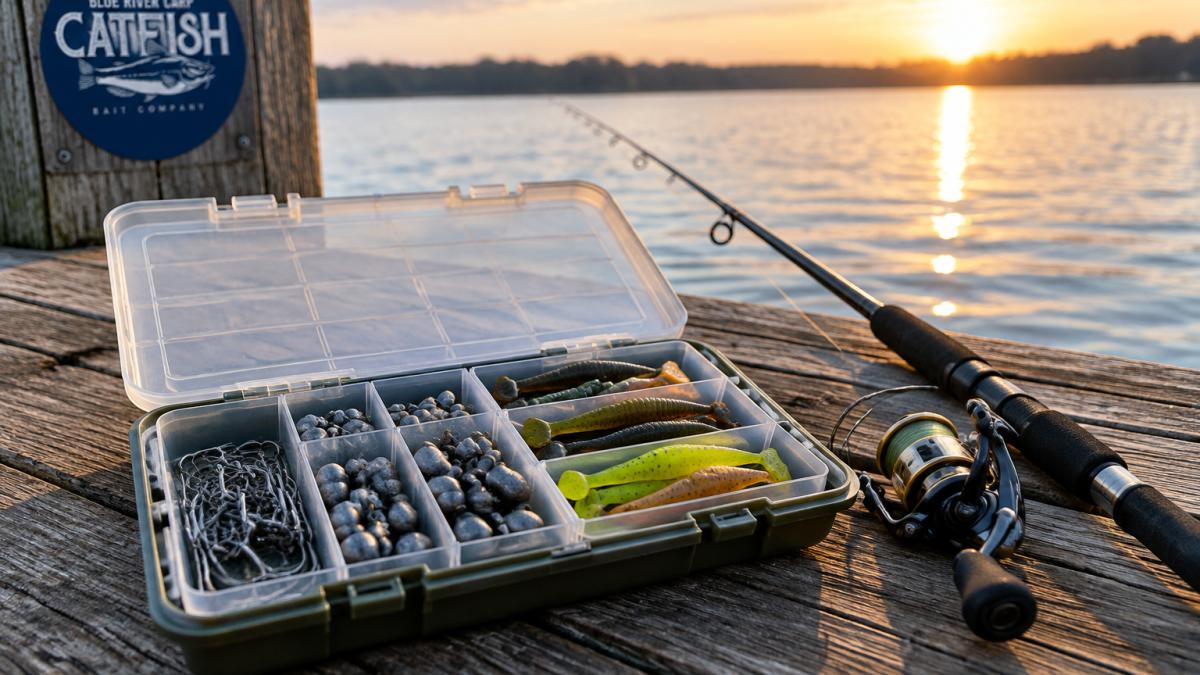
Start with the container, because it sets your limits. For a true quick-trip kit, the container should be small enough to grab with one hand and light enough to forget you're carrying it. That rules out most full-size tackle boxes and points to three workable formats:
- Soft shoulder bag or sling pack (roughly 10 by 6 by 5 inches): Best for walking banks, wading, and hiking to a pond. Fabric flexes around odd-shaped items, and a shoulder strap keeps both hands free for a rod and a net. Downside: hooks can snag fabric, so keep them in a hard-sided inner box or a sealed bag.
- Two-tray hard box (roughly 12 by 8 by 4 inches): Best for keeping hooks, sinkers, and lures from tangling. The lid doubles as a small work surface. Downside: bulkier in a daypack and heavier than fabric.
- Pocket-size utility box (roughly 6 by 4 by 2 inches): The strictest option and the closest match to a true grab-and-go kit. It holds a hook bag, a few split shot, two bobbers, and a couple of small lures. It fits in a cargo pocket or a small chest pack. This is the format to choose if your quick trips are 90 minutes or less and you fish one rod, one rig, and one bait.
Size and Weight Limits for a True Grab-and-Go Kit
A real grab-and-go kit should weigh under about five pounds loaded and fit in one hand. That cap forces hard choices, and hard choices are the point.
- Box footprint: roughly 12 by 8 inches or smaller for a shoulder bag or two-tray box; 6 by 4 inches for a pocket-size kit
- Weight loaded: five pounds or less for a bag or two-tray box; under one pound for a pocket-size kit
- Compartments: four to six in a bag or two-tray box, so hooks, sinkers, and lures stay separate; two to three in a pocket-size box
- Rod: a two-piece travel rod in a sleeve strapped to the outside of a bag, or a three-piece pack rod that breaks down to 24 inches or less for a pocket-size kit
A common mistake is buying a big box "to grow into." It fills with junk you never touch. Buy small and stay disciplined.
Watch out: soft bags with mesh pockets let hooks poke through and snag your shirt or a car seat.
Step 2: Cover the Fishing Tackle Box Essentials: Hooks, Sinkers, and Bobbers
Fishing tackle box essentials come down to three categories: hooks to hold the fish, sinkers to get bait down, and bobbers to show you the bite. Pack those first and you can fish almost any local water. The counts below are a starting checklist for a quick-trip kit aimed at panfish, catfish, and bass in ponds, rivers, and small lakes.
Hook Sizes and Terminal Tackle Quantities to Pack
Keep the hook selection narrow. Two or three sizes cover most situations, and the style matters as much as the size.
| Item | Quantity to Pack | Why It Earns a Slot |
|---|---|---|
| Offset worm hooks, sizes 1 to 3/0 | 8 to 12 | Covers panfish up to mid-size catfish; wide gap holds soft plastics |
| Octopus or circle hooks, sizes 4 to 1/0 | 6 to 8 | Circle hooks set in the corner of the mouth and reduce gut-hooking on catfish |
| Split shot sinkers, assorted | 10 to 15 | Adjust depth without retying |
| Egg sinkers, 1/4 to 1/2 oz | 4 to 6 | Carolina rigs for catfish |
| Clip-on bobbers, 1 to 1.5 inch | 2 to 3 | Quick depth changes |
| Snap swivels, size 10 to 12 | 5 to 6 | Fast lure swaps and less line twist |
Quantity to Pack
A printable checklist for the whole kit: 10 offset hooks, 6 circle hooks, 12 split shot, 5 egg sinkers, 3 bobbers, 6 snap swivels, 2 soft plastic packs, 2 inline spinners, 2 jigs, 1 spare line spool, pliers, clippers, license, and a small first aid kit. Print it, tape it inside the box lid, and check items off after each trip.
Budget Substitutions and Species Adjustments
You do not need premium terminal tackle to catch fish on a quick trip. A common pattern is to buy hooks and sinkers in bulk packs and skip the pre-tied rigs, which cost more per rig and add bulk.
If you're new to terminal tackle, a beginner-friendly tackle list helps you decide what belongs in the box before you buy. Our guide to beginner river fishing tackle picks covers rod, reel, and terminal choices that pair well with a small kit.
Watch out: hook sizes are not standardized across brands. A size 1 from one maker can run noticeably larger than a size 1 from another.
Step 3: Pack a Small Lure and Bait Selection, Including Shelf-Stable Catfish Bait
Bait is where most quick-trip kits fail. Live bait and frozen cut bait need a cooler, and a cooler turns a five-minute grab into a twenty-minute packing job.
For lures, pack light:
- Two soft plastic packs in natural colors
- One or two inline spinners
- A couple of jigs in 1/8 and 1/4 oz
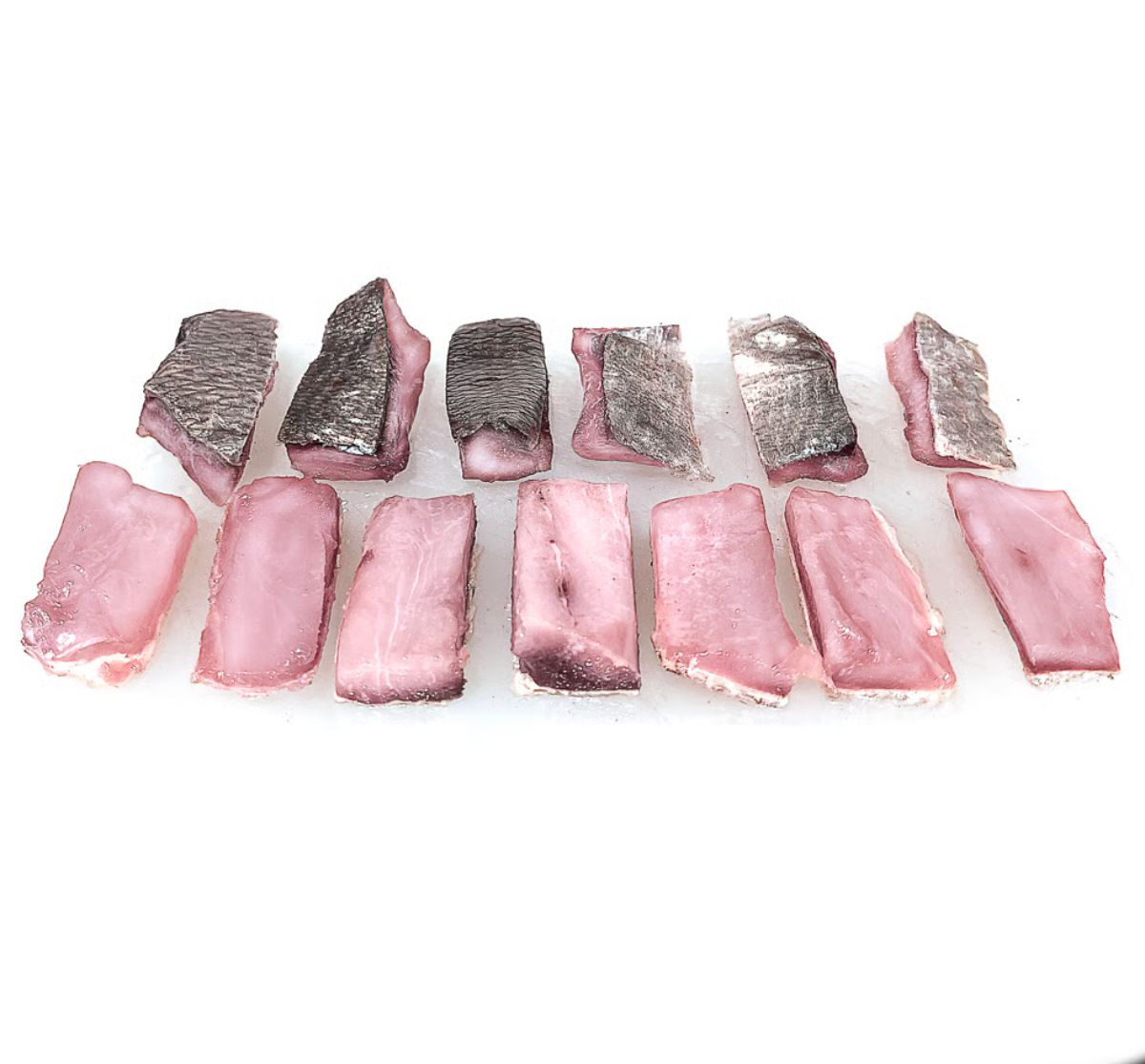
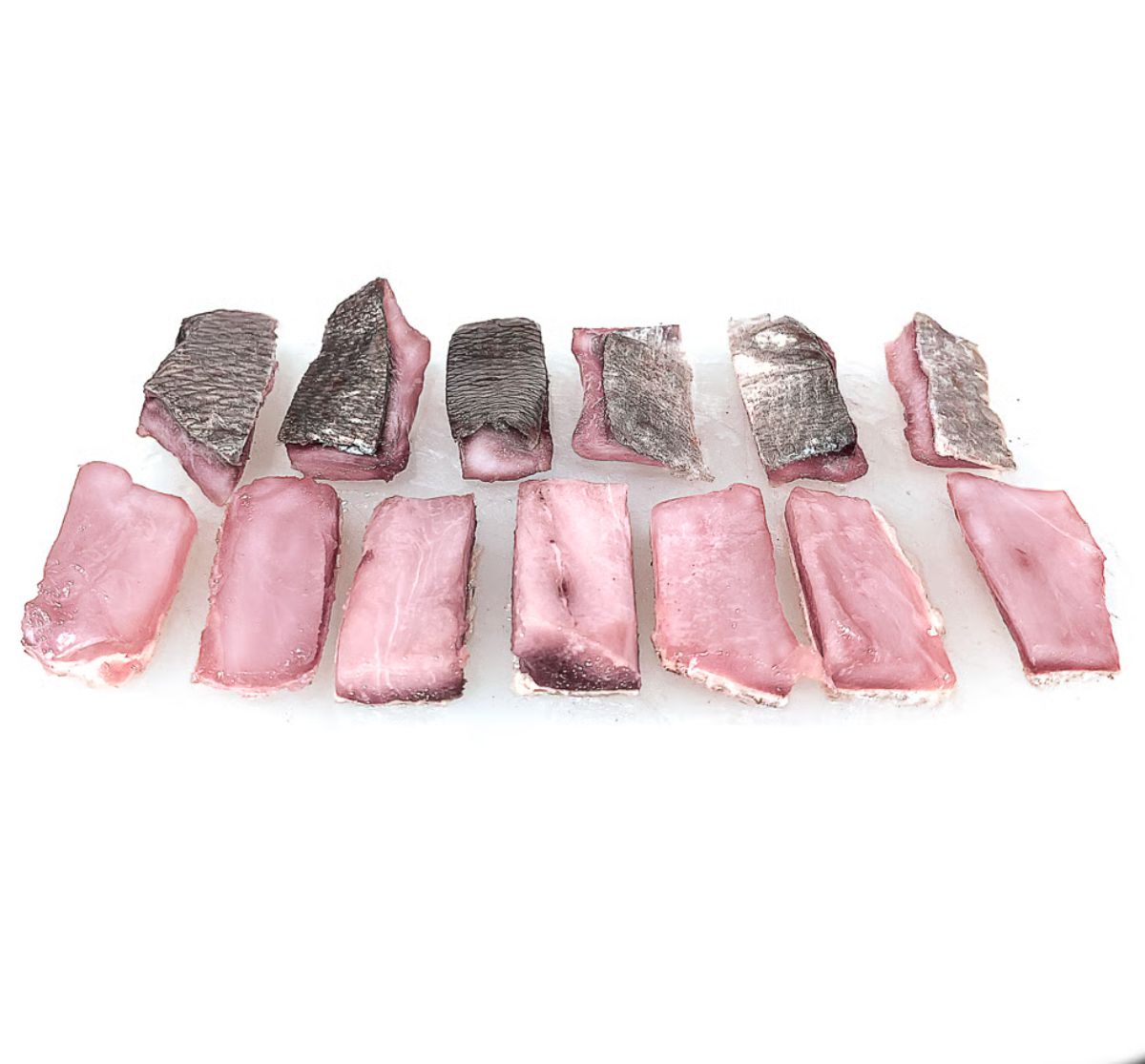
For bait, preserved cut bait nuggets stay firm on the hook and need no ice. Our Catfish Weekend Kit packs four 7 oz nugget pouches, one each of Blood, Garlic, Shad, and Natural, plus a 4 oz blood scent attractant for $41.00.
Want more ready-to-go bait options? See our list of bait for spontaneous fishing trips. Once you've picked your bait, learn how to rig ready-to-use catfish bait so it stays on the hook through a cast.
Step 4: Add Extra Fishing Line, Pliers, and Basic Tools
Spare line and pliers rescue more trips than any lure. Line frays, birds' nests happen, and a hook buried past the barb needs a tool, not fingernails.
Pack these:
- A small spool of line matched to your rod's line rating
- Needle-nose pliers with a wire cutter
- Line clippers or nail clippers
- A hook sharpener
- A small rag
A common mistake is carrying line far heavier than the rod is rated for. Match the line rating printed on the rod blank, or you'll snap the tip on the first hard hookset.
How to Organize Fishing Tackle for Quick Access on the Water
Organize fishing tackle by task, not by type. One compartment per job means your hand finds the right item without digging.
- Compartment 1: hooks in a small sealed bag
- Compartment 2: sinkers and swivels
- Compartment 3: bobbers
- Compartment 4: lures
- Top tray: pliers, clippers, and license
Label bins with a marker or tape. Modular storage trays let you swap a whole compartment for a different species without repacking the box. The goal is quick access in low light, with cold hands, on a rocking dock.
Step 5: Build an Emergency Fishing Kit and Handle License and Safety Checks
An emergency fishing kit is the small pouch that saves the trip when something breaks or someone gets hurt. Keep it separate from the main box so it stays intact.
What goes in it:
- A spare hook and split shot in a tiny bag
- Three feet of spare line
- A small first aid kit with bandages and antiseptic wipes
- A headlamp or small flashlight
- Sunscreen and water
Then handle the legal side. Fishing license rules vary by state and by water, and some areas require additional permits. Check your state wildlife agency's site before you go, and carry a digital copy on your phone.
Non Refrigerated Catfish Bait Shelf Life: What to Know Before You Pack
Non refrigerated catfish bait shelf life depends on how the bait is preserved. Shelf-stable cut bait is cured and sealed so it stays firm and usable for many months without a cooler.
That changes how you pack. No ice, no freezer space, no mushy bait sliding off the hook after twenty minutes in the sun.
For a deeper look at what goes into preserved bait, read what shelf-stable fishing bait is made of.
Pack Smart, Fish More
The anglers who fish most often aren't the ones with the biggest tackle collections. They're the ones whose gear is always ready. Build one small box, keep it loaded, and you'll stop losing trips to prep time.
Blue River Carp, Inc. offers preserved cut bait that needs no cooler. Start with the Best 3 bundle at $30.00 for three 7 oz pouches, or grab a single 7 oz nugget pouch at $11.00 to test a scent. Add Fish Attack Strips at $8.00 to dress up any lure.
Frequently Asked Questions
What should I put in a compact tackle kit for a quick fishing trip?
Keep it to one small box or bag: spare hooks in two or three sizes, a handful of split-shot sinkers, two or three bobbers, a couple of soft plastics or spinners, a small spool of extra line, needle-nose pliers, and a package of shelf-stable bait. Add your fishing license and a mini first aid kit. The goal is a diy tackle kit that fits in one hand and lets you rig up in under five minutes without digging through a full tackle bag.
How do I organize fishing tackle in a small tackle box or bag?
Group by job, not by product type. Put hooks, sinkers, and bobbers in one compartment; lures and soft plastics in another; tools and line in a side pocket. Label small bins with a marker so you can restock at a glance. Keep the items you reach for most, like pliers and your go-to hook size, in the top tray or front pocket. That layout is the core of how to organize fishing tackle so a quick trip stays quick.
What should be in an emergency fishing kit?
An emergency fishing kit is a backup you leave in the vehicle or backpack: a compact rod or hand line, a small hook and sinker assortment, a few lures, 50 yards of extra line, pliers, a small first aid kit, a flashlight, and a shelf-stable bait pouch. Because Blue River Carp bait carries a 12+ month shelf life without refrigeration or freezing, it can stay in this kit too.
How long does non refrigerated catfish bait last?
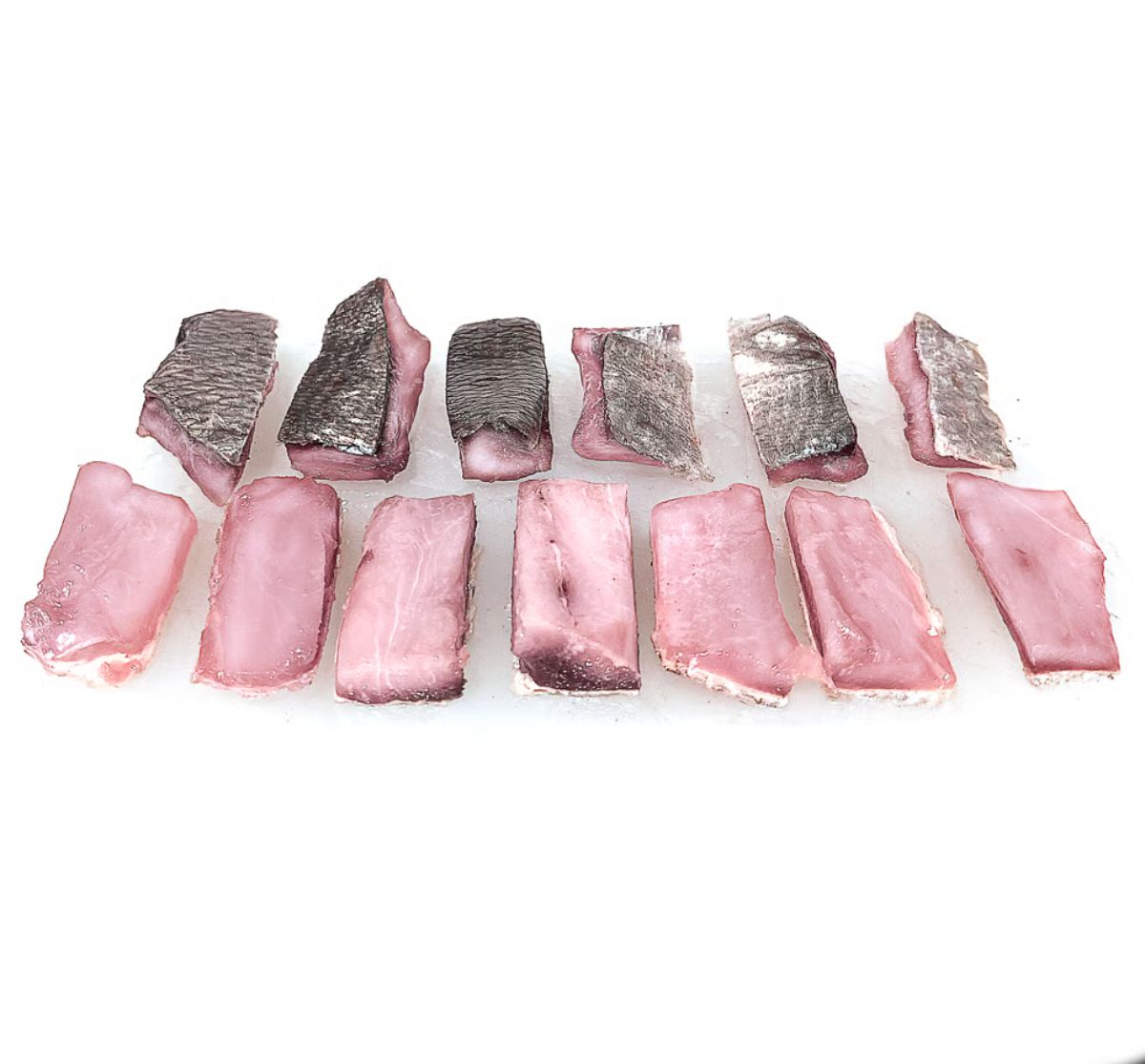
Blue River Carp bait carries a 12+ month shelf life in a resealable pouch, with no refrigeration or freezing needed. Blue River Carp bait nuggets are pre-cut at about 1 inch by 2 inches, so a spare pouch can sit in your kit and still be ready for a spontaneous trip.


