
Catfish Fishing Gear for Beginners: Complete Setup Guide
Table of Contents
- Essential Catfish Rods and Reels for Beginners
- Choosing the Right Fishing Line and Leader Setup
- Hooks and Terminal Tackle Basics
- Catfish Fishing Rigs for Beginners
- Best Catfish Bait for Beginners
- How to Catch More Catfish with Proper Technique
- Essential Tools, Accessories, and Maintenance
- Conclusion
Last Updated: August 30, 2026
Essential Catfish Rods and Reels for Beginners
Starting with the right equipment makes all the difference when learning catfish fishing. A beginner's rod and reel setup doesn't need to be expensive, but it must handle catfish's specific demands. Unlike bass or trout fishing, catfish require heavier power ratings and more durable drag systems because they fight hard and weigh substantially more.
The best beginner setup combines a medium-heavy power rod with a reliable reel that holds enough line and resists corrosion. You'll spend between $60-150 for a solid combo that lasts years with proper maintenance. Quality gear prevents lost fish and reduces frustration while learning.
Rod Power and Action Explained
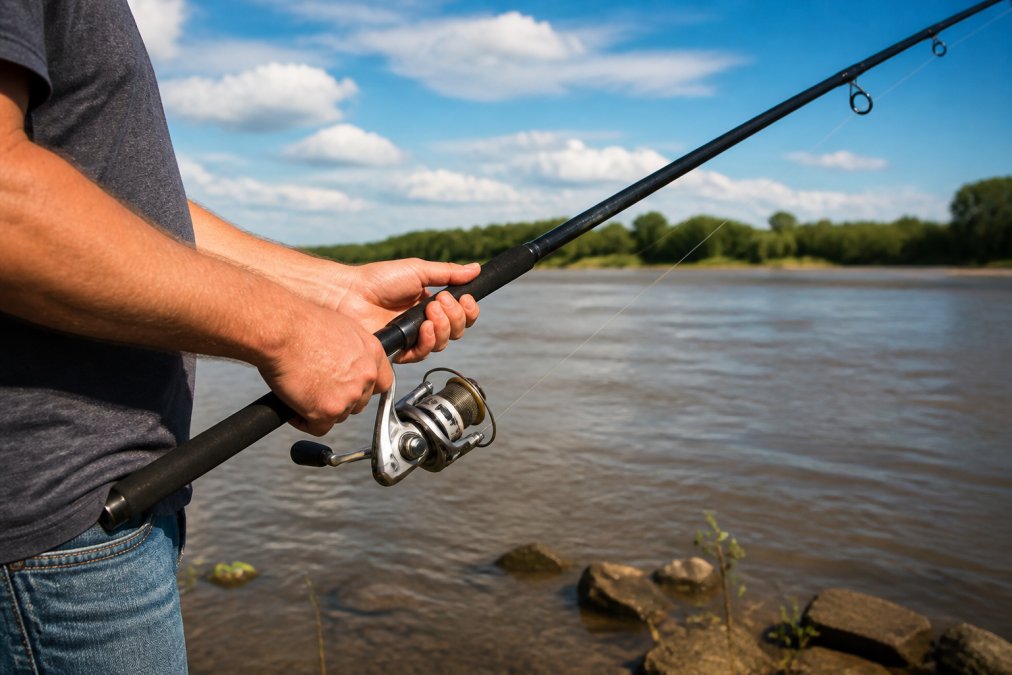
Rod power describes how much force the rod handles before bending excessively, while action refers to where that bend occurs. For catfish, you want medium-heavy power, which resists bending until you apply significant pressure. This lets you set the hook firmly in a catfish's tough mouth without snapping the line.
Catfish rods typically run from fast to moderate action. Fast action bends mostly at the tip, giving better sensitivity to detect bites. Moderate action bends more of the rod, providing a more forgiving experience when a catfish makes a hard run. For beginners, moderate action is less likely to break your line during the hook set.
A good backbone prevents the rod from becoming too soft under load. When fighting a 20-pound catfish, you need a rod that maintains its shape. Check the rod's specifications for backbone strength alongside power ratings.
Spinning vs. Baitcasting Reels
Spinning reels are easier for beginners and dominate catfish fishing because they handle live bait, cut bait, and prepared baits equally well. The open spool design lets you cast lighter weights without the learning curve baitcasting requires. Most catfish anglers use spinning reels because they're forgiving and reliable.
Baitcasting reels offer better accuracy and handle heavier weights smoothly, but they require practice to avoid backlashes. For bank fishing where accuracy matters less than distance and comfort, spinning reels win. For boat fishing where you're placing baits precisely, baitcasting becomes more valuable as your skills develop.
When choosing a spinning reel, look for a gear ratio between 5.1:1 and 6.2:1. This range lets you retrieve line fast enough to maintain tension without exhausting yourself during long fights. The drag system should feel smooth across its entire range with no grinding or catching. Quality reels have sealed drag systems that resist corrosion.
| Reel Type | Best For | Learning Curve | Maintenance |
|---|---|---|---|
| Spinning | Bank fishing, beginners, live bait | Minimal | Low |
| Baitcasting | Boat fishing, heavy weights, accuracy | Steep | Moderate |
Choosing the Right Fishing Line and Leader Setup
The line connecting your reel to your rig affects casting distance, sensitivity, and bait presentation. For catfish, monofilament line remains the standard choice because it's forgiving, affordable, and easy to tie knots with. Monofilament stretches slightly under load, absorbing shock when a catfish makes a sudden run and helping prevent break-offs.
Start with 15-20 pound test monofilament for most freshwater catfish situations (fws.gov). This weight handles channel catfish and smaller blue catfish while remaining sensitive enough to feel bites. Your reel should hold at least 150 yards of line to handle long casts and extended fights.
Braided line offers advantages for experienced anglers but adds complexity for beginners. Since it doesn't stretch, you feel every bite clearly but are more likely to break off when a catfish makes a hard run. Stick with monofilament until you understand catfish behavior and your setup's pressure limits.
A leader line, a shorter section of heavier line between your main line and rig, protects against abrasion. Use a leader that's 12-18 inches long and 2-4 pounds heavier than your main line. Connect it using a snell knot or improved clinch knot. For beginners, a monofilament leader works fine and saves money while providing the necessary buffer against rocks, sticks, and the catfish's rough gill plates.
Hooks and Terminal Tackle Basics
Circle hooks dominate modern catfish fishing because they hook themselves as the catfish swims away. When a catfish takes your bait and starts moving, the hook naturally rotates and catches in the corner of the mouth. This design means fewer missed fish and safer handling.
Choose circle hooks sized to your bait. For small prepared baits, use 2/0 to 3/0 hooks (fws.gov). For larger cut bait chunks, 4/0 to 5/0 works better. The hook gap should be wide enough that the point clears the bait when the fish takes it.
Your terminal tackle setup includes the sinker, swivel, and additional components. An egg sinker slides on your line and stops above a swivel, creating the slip sinker rig that's the foundation of catfish fishing. Sinker weight depends on water depth and current speed. Start with 1-2 ounce sinkers for calm water and increase to 3-4 ounces in current or deeper holes.
A quality ball-bearing swivel prevents line twist that weakens knots and reduces casting distance. Spend a few extra dollars on marine-grade swivels that resist corrosion.
Catfish Fishing Rigs for Beginners
A rig is the complete assembly of line, sinker, swivel, leader, and hook that presents your bait to catfish. For beginners, two rigs handle 90% of situations: the slip sinker rig and the three-way rig. Both are simple to tie, reliable, and effective across different water conditions. upgrading boat electronics.
Simple Slip Sinker Rig Setup
The slip sinker rig is the most popular catfish rig because it's simple, versatile, and lets catfish take bait without feeling heavy resistance. Start with your main line tied to a ball-bearing swivel using an improved clinch knot. Thread an egg sinker onto your main line before tying the swivel so it slides freely above it. Attach 12-18 inches of leader line to the other end of the swivel. Tie your circle hook to the end of the leader using a snell knot.
The egg sinker rests on the bottom while your bait hangs 12-18 inches above it. When a catfish takes the bait and starts moving, the sinker stays put and the line slides freely through it. This design means the catfish feels minimal resistance, making it more likely to hold the bait longer.
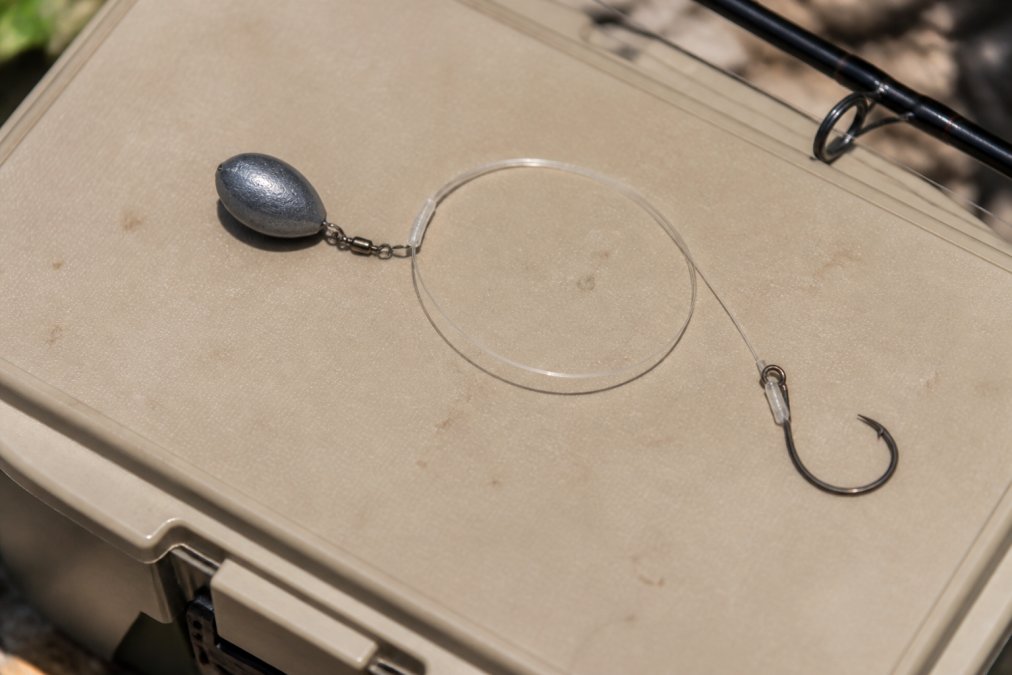
Adjust sinker weight based on water conditions. In calm lakes, 1-2 ounces keeps your bait in place (fws.gov). In rivers with current, increase to 3-4 ounces to maintain bottom contact.
Three-Way Rig for Bank Fishing
The three-way rig uses a three-way swivel to create two separate lines: one holding the sinker and one holding the bait. This design keeps your sinker separate from your bait line, preventing interference with bait presentation.
Tie your main line to one eye of the three-way swivel. Attach a 12-18 inch dropper line with a sinker to the second eye. Tie your leader and hook to the third eye. The sinker hangs below while your bait stays at the same level or slightly above, creating a more natural presentation. This rig excels for bank fishing where you're casting and retrieving or working baits along structure.
Best Catfish Bait for Beginners
What you put on your hook determines what you catch. Catfish are aggressive feeders that respond to strong scents and natural food sources. Live bait like bluegill and shiners work well for larger catfish, but prepared cut bait eliminates the complexity of keeping live bait alive and offers consistent results.
Blue River Carp, Inc. offers scent-infused cut bait that combines convenience with proven effectiveness. Their pre-cut bait nuggets and chunks come in multiple scent profiles including blood, garlic, and shad. The 12+ month shelf life means you always have bait ready without maintaining a freezer or cooler.
The Best 3 - 7oz Nugget Bundle offers three scent varieties in pre-portioned packages, letting you experiment with what works in your local waters. Nuggets are ideal for spinning and baitcasting setups, while the 10oz Package Chunks work better when targeting larger catfish or when you want bait that stays on the hook longer.


Catfish respond to scent more than sight, which is why prepared bait with added scent profiles can be very effective. Blood scent attracts aggressive feeders quickly, garlic works well in clear water where catfish are cautious, and shad scent mimics natural prey for steady, consistent results.
How to Catch More Catfish with Proper Technique
Technique separates anglers who catch fish occasionally from those who catch them consistently. Keep your bait on or near the bottom where catfish hunt using scent. Position your rod in a holder and let catfish come to you rather than constantly casting and retrieving.
Fish structure, rocks, fallen trees, channel ledges, and deep holes. Catfish use these features as ambush points. Position your rig 5-10 feet away so your bait drifts into the strike zone without spooking the fish. In rivers, fish the current breaks where slower water meets faster current.
Set the hook with a firm, quick upward motion when you feel a bite. Circle hooks often hook themselves, but you still need to drive the hook home with solid pressure. Once hooked, keep steady tension and let your drag do its job. Keep your rod tip up at about 45 degrees and reel when the fish moves toward you, then drop the tip slightly to gain line. Repeat until the catfish is close enough to land.
Essential Tools, Accessories, and Maintenance
A landing net prevents injury to the fish and to you. Catfish have sharp spines on their dorsal and pectoral fins that cause painful puncture wounds. Needle-nose pliers or a hook remover lets you remove the hook safely without risking your fingers.
A rod holder keeps your rod stable while you wait for bites. Bank fishing becomes uncomfortable quickly if you're holding the rod the entire time. Quality rod holders clamp to tackle boxes or stake into the ground.
After every trip, rinse your reel with fresh water and dry it completely. Salt water and river mud corrode metal components quickly if left wet. Wipe down your rod guides and check for cracks or chips. Store gear in a cool, dry place away from direct sunlight.
Check your line regularly for fraying, discoloration, or weak spots. Replace your line every 2-3 months if you fish regularly, or immediately if you notice damage. Catfish exert tremendous pressure on line during fights, and weakened line breaks at the worst moment.
Learning catfish fishing gear for beginners requires understanding how each component works together. Start with a medium-heavy power spinning reel combo, quality monofilament line, and reliable circle hooks. Practice tying your rigs until you can assemble them without thinking, then focus on finding where catfish actually live in your local waters.
Blue River Carp, Inc.'s scent-infused bait eliminates guesswork about what catfish want to eat. The convenient 12+ month shelf life and no-refrigeration requirement mean you're never caught without effective bait. Start with the Best 3 - 7oz Nugget Bundle to test multiple scent profiles and see which works best in your waters. Your first season catching catfish consistently beats a lifetime of occasional success with mediocre gear and guesswork.
Frequently Asked Questions
Q: What is the best catfish setup for beginners?
A: Start with a 6 to 7-foot medium-heavy power rod paired with a spinning reel that holds at least 200 yards of 20-pound monofilament line. Add a 2 to 3-foot fluorocarbon leader, a circle hook (2/0 to 4/0 size), and a simple slip sinker rig. This combination balances sensitivity with enough backbone to handle catfish runs and provides the control beginners need for both bank and boat fishing.
Q: What is the best catfish bait for beginners?
A: Cut bait works exceptionally well for beginners because it releases strong scents that attract catfish from distance. Preserved cut bait like Blue River Carp's pre-cut nuggets and chunks eliminate preparation time and stay fresh for 12+ months without refrigeration, making them ideal for spontaneous trips. The consistent size means you can rig them quickly without trimming, and their proven formula works for blue catfish, channel catfish, bullhead, and flathead species.
Q: Do I need a heavy-duty rod for catfish fishing?
A: Not necessarily for beginners. A medium-heavy power rod with moderate action is sufficient for most catfish species under 30 pounds. Heavy-duty rods are better suited for trophy catfish or saltwater applications. Medium-heavy power gives you enough sensitivity to detect bites while providing the backbone to set the hook and land fish without fatiguing your arm during longer sessions.
Q: What size hook is best for catfish?
A: Circle hooks in sizes 2/0 to 4/0 are ideal for beginners targeting channel and blue catfish. The 2/0 size works well for smaller channels, while 4/0 handles larger blue catfish and flatheads. Circle hooks are forgiving because they hook fish in the corner of the mouth, reducing deep-hook injuries and improving catch-and-release success. This design makes them especially beginner-friendly.
Q: How do I know if my catfish gear is properly maintained?
A: Check your reel's drag system monthly by applying gentle pressure, it should slip smoothly without grinding sounds. Rinse your rod and reel with fresh water after each trip, especially if you fish in brackish water. Inspect your line for fraying or discoloration before each outing, and replace it annually or after 20+ hours of use. Store gear in a cool, dry place away from direct sunlight to prevent rod blank cracking and reel corrosion.
Q: Can I use the same gear for different catfish species?
A: Yes, a medium-heavy power rod works across channel catfish, blue catfish, and bullhead species. However, flathead catfish require heavier tackle because they're more aggressive fighters. For beginners, starting with medium-heavy gear lets you catch most catfish species effectively. As you progress, you may want specialized heavy-duty rigs for trophy flatheads or lighter setups for bullhead in small ponds.
This article was written using GrandRanker


