
Why Use Carp for Bait: A Complete Guide
Table of Contents
- Why Carp Outperforms Other Baits for Catfish
- Best Bait for River Fishing: Carp's Natural Advantage
- How to Rig Cut Bait for Catfish Success
- Shelf-Stable Fishing Bait: The Convenience Factor
- Scent and Flavor Profiles That Trigger Feeding
- Legal and Ethical Considerations
- DIY Carp Bait Recipes vs. Premium Store-Bought
- Conclusion
Last Updated: August 21, 2026
Why Carp Outperforms Other Baits for Catfish
Catfish are scavengers with aggressive feeding habits driven by strong scent detection. When you use carp for bait, you're matching the catfish's natural diet and triggering their predatory instincts in a way that generic alternatives simply cannot replicate. Carp cut bait works because it releases a powerful scent trail in the water column, broadcasting its presence to catfish from considerable distances.
The advantage becomes clear once you understand how catfish hunt. They rely primarily on their lateral line system and chemoreceptors to locate food, not vision. A chunk of carp bait dissolves gradually, creating a scent plume that catfish follow upstream or downstream to the source. This is fundamentally different from chicken liver, which dissipates quickly, or prepared dough balls, which lack the natural oils that trigger aggressive feeding responses.
Many anglers switch to carp bait after years of moderate success with other options. The shift isn't about luck, it's about matching the presentation to the species' feeding behavior. Catfish in rivers, lakes, and reservoirs all respond to the natural profile that carp bait provides. The flesh composition, fat content, and amino acid profile of carp closely mirror what catfish naturally consume in their environment.
Blue River Carp, Inc. produces premium cut bait from invasive Asian carp, which are abundant in North American waters. This approach solves two problems simultaneously: it provides catfish anglers with highly effective bait while helping manage invasive species populations. The scent-infused formula enhances the natural attractants already present in the carp.

Best Bait for River Fishing: Carp's Natural Advantage
River environments demand bait that performs under current. Carp bait excels here because its density and composition resist the erosive effects of moving water. Unlike softer baits that deteriorate within minutes, cut carp maintains its structural integrity and continues releasing scent for extended periods.
Rivers present unique challenges. Current speed varies by location, water temperature fluctuates seasonally, and catfish behavior shifts with flow rates. The best bait for river fishing must account for these variables. Carp bait handles all three because it's designed to withstand the physical stress of current while maintaining its scent profile.
When you fish moving water, presentation matters as much as bait selection. A chunk of carp rigged properly will hold position on the bottom, stay on the hook through casting, and gradually release attractants that alert nearby catfish. The bait doesn't need to be fresh from a cooler, it doesn't need refrigeration at all, which makes river trips more practical.
Current speed determines how quickly scent disperses downstream. In slow-moving sections, a single piece of carp bait can attract catfish from 50 feet away or more. In faster current, the scent trail extends further downstream, allowing you to cover more water without additional bait. This efficiency matters when you're planning a full day on the river.
Seasonal river conditions affect catfish location and feeding intensity. Spring runoff pushes catfish into deeper pools and slower eddies. Summer heat drives them toward cooler, deeper sections. Fall and winter change their metabolism and feeding patterns. Throughout these shifts, carp bait remains effective because it matches the natural food sources catfish pursue regardless of season.
How to Rig Cut Bait for Catfish Success
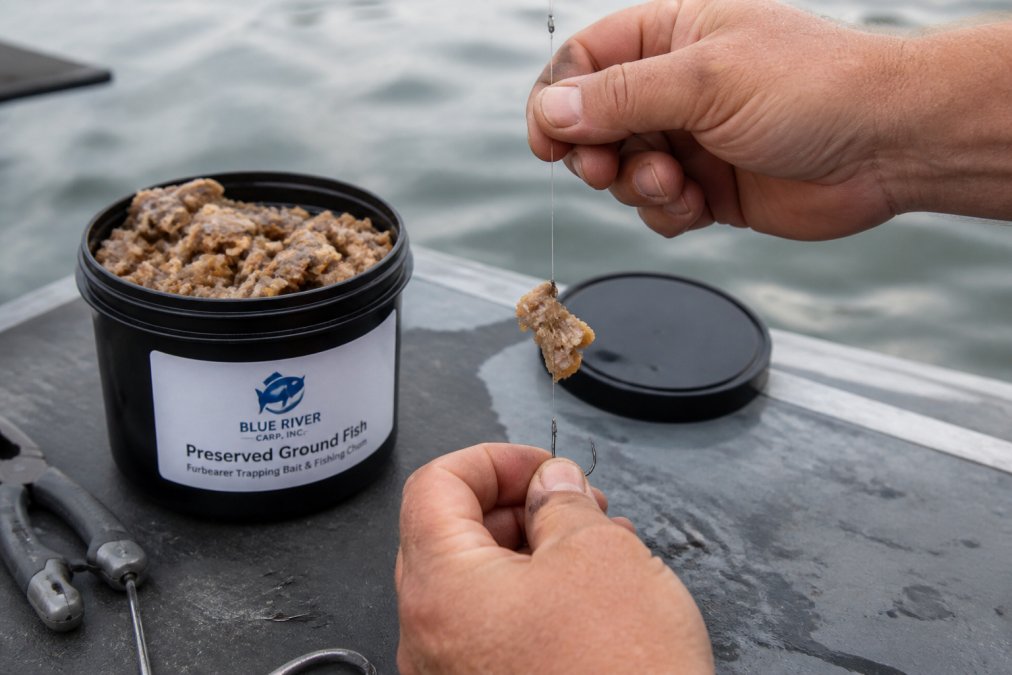
The hair rig setup represents one of the most effective rigging methods for carp bait (peer-reviewed research). This technique separates the hook from the bait, allowing the bait to move naturally while the hook remains positioned for solid hook sets. The hair rig works by threading a small loop of line through the bait, keeping it away from the hook point but directly above it.
Hair Rig Setup for Maximum Scent Release
To build a hair rig, you'll need 20-30 pound monofilament or braided line, a size 2/0 to 4/0 circle hook, and a small baiting needle. Start by tying your main line to the eye of the hook using an improved clinch knot. From the hook eye, create a small loop approximately 1-2 inches long. Thread this loop through a piece of carp cut bait, typically a chunk 1-2 inches in size, using your baiting needle to create the passage.
The spacing between hook and bait is critical. A gap of 1/4 to 1/2 inch allows the bait to move independently while the hook remains in position to catch the corner of the catfish's mouth. This separation increases hook-up rates because the catfish takes the bait fully into its mouth before the hook engages.
Circle hooks are superior for this application because they self-set when the catfish swims away with the bait (fws.gov). You don't need to strike hard or set the hook aggressively. The design of the hook naturally rotates and catches the fish's mouth corner, reducing gut-hooking and improving survival rates if you practice catch-and-release.
The scent release from a hair-rigged bait is superior to traditional methods because the bait remains intact longer. The bait doesn't compress against the hook, which means its natural shape and surface area remain exposed to the water. More surface area equals more scent dispersal.
Hook Bait Presentation Techniques
Hook bait presentation begins with understanding where catfish position themselves. In rivers, they hold near structure, fallen trees, deep holes, rock formations, and current breaks behind boulders. Position your rig in these locations with the bait resting on the bottom or slightly above it, depending on water depth and current speed.
Cast upstream slightly and allow the current to carry your rig into position. This natural drift reduces the chance of spooking nearby catfish. Once the rig settles, maintain light tension on the line to detect bites without pulling the bait out of position. Many anglers make the mistake of keeping tension too tight, which can move the bait unnaturally or prevent the catfish from taking it confidently.
For still-water environments like lakes and ponds, cast toward likely holding areas and let the bait rest. Catfish will find it through scent alone. In these conditions, patience is more important than constant adjustment. Leave the rig in place for 15-30 minutes before relocating.
The texture of carp bait matters for presentation. Soft, mushy bait falls off the hook during casting or when catfish bump it. Quality carp bait maintains its firmness throughout the fishing session, staying secured to the hook and resisting the physical stress of casting, current, and aggressive catfish strikes.
Shelf-Stable Fishing Bait: The Convenience Factor
Shelf-stable bait eliminates the refrigeration requirement that complicates traditional fishing trips. Conventional baits, live baitfish, chicken liver, prepared dough, demand coolers, ice, and careful temperature management. They deteriorate quickly, creating waste and limiting spontaneity.
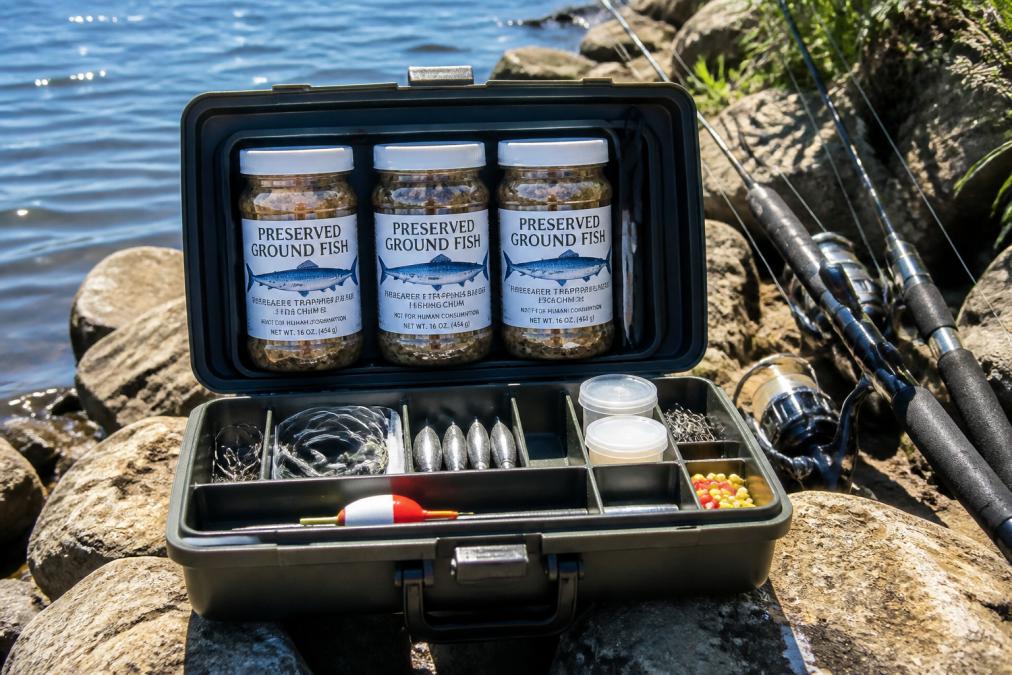
Carp bait that requires no refrigeration changes how you approach fishing. You can keep bait in your vehicle year-round without spoilage concerns. You can pack for a trip without planning around cooler logistics. You can fish spontaneously when conditions are favorable without advance preparation.
The 12+ month shelf life of premium carp bait means you're never caught without effective bait. Store it in your tackle box, vehicle, garage, or fishing shack. It won't degrade, won't develop off-odors, and won't attract unwanted attention from insects or rodents. This stability makes carp bait ideal for casual anglers who fish occasionally and need bait that's always ready.
Blue River Carp, Inc.'s shelf-stable formula maintains its potency throughout the storage period. The scent-infused process locks in attractants that would typically degrade over time. This means bait stored for six months performs as well as bait used immediately after purchase.
Cost-effectiveness improves when bait doesn't spoil. You buy what you need and use it on your schedule, not on the bait's timeline. There's no waste from spoilage, no forced trips to replace degraded bait, and no premium pricing for fresh alternatives. specialized fishing equipment.
Scent and Flavor Profiles That Trigger Feeding
Catfish possess approximately 100,000 taste buds distributed across their body surface (peer-reviewed research). Their feeding response is triggered primarily by chemical signals, scent and flavor compounds dissolved in water. The most effective baits combine multiple attractant profiles that stimulate this sensory system simultaneously.
Natural carp bait contains amino acids, fatty acids, and organic compounds that catfish recognize as food. These compounds dissolve gradually into the surrounding water, creating a scent trail that communicates "food source" to catfish in the vicinity. The intensity and duration of this signal determine how effectively the bait attracts feeding fish.
Vibrant color plays a secondary but measurable role in bait effectiveness. Catfish can see, and research indicates they respond to color contrast in low-light conditions. Carp bait's natural coloration, pale flesh with darker skin, creates contrast that catfish detect more readily than homogeneous baits.
Sweetness in bait formulations enhances attractiveness. Many catfish baits incorporate sugar-based compounds, vanilla, or fruit flavors. These additions amplify the bait's natural scent profile and trigger stronger feeding responses. When carp bait is infused with these flavor compounds, it becomes more potent than unenhanced alternatives.
Texture affects how quickly scent releases. Firmer baits dissolve slowly, providing sustained scent release over hours. Softer baits dissolve rapidly, creating an intense but brief scent cloud. The ideal balance depends on fishing conditions, faster current demands firmer bait; still water allows softer presentations.
Legal and Ethical Considerations
Using carp as bait raises important questions about species management and environmental responsibility. In many jurisdictions, carp are classified as invasive species. Using them as bait serves a dual purpose: it provides effective bait for catfish anglers while helping control invasive populations that damage native ecosystems.
Check your local fishing regulations before using carp bait. Some states and regions have specific rules about which species can be used as bait, where they can be harvested, and whether invasive species like Asian carp are encouraged for removal. Most regulations favor using invasive carp as bait, recognizing the ecological benefit.
Ethical fishing practices extend beyond legal compliance. Using bait that matches the target species' natural diet minimizes unnecessary suffering. Carp bait allows catfish to feed naturally, reducing stress compared to artificial or unfamiliar baits. This approach respects the fish's biology and the fishing experience itself.
Sustainable bait sourcing matters increasingly to environmentally conscious anglers. Carp harvested from invasive populations represent sustainable bait because their removal benefits the ecosystem. This contrasts with baits sourced from declining fish populations or wild-caught baitfish that stress natural populations.
The veteran-owned and made-in-Indiana credentials of Blue River Carp, Inc. reflect a commitment to responsible sourcing and local production. Supporting businesses that prioritize sustainable practices reinforces ethical fishing culture within the angling community.
DIY Carp Bait Recipes vs. Premium Store-Bought
Creating homemade carp bait offers cost savings and customization options, but it requires ingredient sourcing, preparation time, and storage planning. Store-bought alternatives eliminate these requirements but cost more per unit.
A basic DIY carp bait recipe starts with a foundation of cornmeal or cottonseed meal. Blue River Carp, Inc. offers both ingredients separately for anglers who prefer mixing their own formulations. Cornmeal provides bulk and texture; cottonseed meal adds protein and natural attractants.

To create a simple pack bait, combine 2 cups cornmeal, 1 cup cottonseed meal, and 1/2 cup corn pellets. Add water gradually until the mixture reaches a moldable consistency. Incorporate attractants like vanilla extract, anise oil, or commercial carp attractants. Mix thoroughly and allow the bait to cure for 24 hours before use.
The advantage of DIY preparation is flexibility. You can adjust sweetness, texture, and scent intensity to match your target conditions. You can experiment with ingredient ratios to discover what works best for your local catfish population.
The disadvantage is consistency and reliability. Homemade baits vary between batches due to ingredient variation and mixing differences. Storage requires careful attention to prevent mold or spoilage. Preparation time removes spontaneity from fishing trips.
Premium store-bought carp bait, like Blue River Carp, Inc.'s pre-packaged offerings, eliminates these variables. Every package contains consistent formulations, proven attractant profiles, and guaranteed shelf stability. The cost premium reflects this consistency and convenience.
For frequent anglers, premium bait represents better value because it performs reliably across varying conditions. For budget-conscious or experimental anglers, DIY recipes offer a lower-cost entry point that builds experience before investing in premium products.
=== FAQ ANSWERS (audit these too, same rules) ===
[1] Q: Are carp effective bait for catfish? A: Yes, carp is highly effective for catfish. Carp produces a strong scent trail that attracts catfish from distance, and its natural texture and buoyancy create an appealing presentation. The oily flesh releases attractants into the water column, making carp one of the most reliable baits for both river and pond catfish fishing. Catfish are scavengers that respond to the pungent flavor profile carp delivers.
[2] Q: Does carp bait require special storage or refrigeration? A: No. Premium shelf-stable carp bait like Blue River Carp requires no refrigeration or freezing, maintaining quality for 12+ months in your tackle box. This eliminates the need for coolers or ice, and prevents bait from becoming mushy on the hook. The preservation process keeps the bait firm and effective for every fishing trip, whether you fish weekly or spontaneously.
[3] Q: Why is carp considered superior cut bait compared to chicken liver or other options? A: Carp stays firmer on the hook longer than soft baits like chicken liver, which dissolve quickly in water. Carp's denser texture and natural oils create a sustained scent release that attracts catfish continuously. Additionally, carp's buoyancy and presentation characteristics make it effective in various water conditions and depths, whereas chicken liver works best in specific scenarios and requires frequent re-baiting.
[4] Q: Is it legal to use invasive carp as bait in my area? A: Using invasive Asian carp as bait is legal in most U.S. states and is often encouraged by fisheries management agencies as a control measure. Check your state's fishing regulations through your Department of Natural Resources or Fish and Wildlife agency, as rules vary by location. Using invasive species for bait supports environmental management while improving your catch rates.
Frequently Asked Questions
Q: Are carp effective bait for catfish?
A: Yes, carp is highly effective for catfish. Carp produces a strong scent trail that attracts catfish from distance, and its natural texture and buoyancy create an an appealing presentation. The oily flesh releases attractants into the water column, making carp one of the most reliable baits for both river and pond catfish fishing. Catfish are scavengers that respond to the pungent flavor profile carp delivers.
Q: Does carp bait require special storage or refrigeration?
A: No. Premium shelf-stable carp bait like Blue River Carp requires no refrigeration or freezing, maintaining quality for 12+ months in your tackle box. This eliminates the need for coolers or ice, and prevents bait from becoming mushy on the hook. The preservation process keeps the bait firm and effective for every fishing trip, whether you fish weekly or spontaneously.
Q: Why is carp considered superior cut bait compared to chicken liver or other options?
A: Carp stays firmer on the hook longer than soft baits like chicken liver, which dissolve quickly in water. Carp's denser texture and natural oils create a sustained scent release that attracts catfish continuously. Additionally, carp's buoyancy and presentation characteristics make it effective in various water conditions and depths, whereas chicken liver works best in specific scenarios and requires frequent re-baiting.
Q: Is it legal to use invasive carp as bait in my area?
A: Using invasive Asian carp as bait is legal in most U.S. states and is often encouraged by fisheries management agencies as a control measure. Check your state's fishing regulations through your Department of Natural Resources or Fish and Wildlife agency, as rules vary by location. Using invasive species for bait supports environmental management while improving your catch rates.
Catfish respond to bait that matches their natural feeding instincts. Using carp for bait delivers proven results because it combines effective scent release, natural presentation, and proven attractiveness to your target species. Blue River Carp, Inc. provides premium, shelf-stable carp bait that eliminates refrigeration requirements while delivering the scent-infused performance that catfish demand. Start with proven bait and focus on presentation, results follow quickly.
This article was written using GrandRanker