
Why Chicken Liver Is Messy: A Practical Guide
Table of Contents
- Why Chicken Liver Is Messy: The Biology Behind It
- How to Clean Chicken Livers Properly
- Handling Raw Organ Meat Safety
- Chicken Liver Bait Preparation Techniques
- Why Chicken Liver Falls Apart on the Hook
- Waste Management and Cleanup After Baiting
- A Better Alternative: Shelf-Stable Cut Bait
- Conclusion
Last Updated: August 13, 2026
Why Chicken Liver Is Messy: The Biology Behind It
Chicken liver is messy because its delicate cellular structure breaks apart easily when exposed to handling, moisture, and heat. Unlike muscle tissue designed for structural support, liver is an organ built to filter blood and store nutrients, making it inherently fragile and prone to rapid degradation.
Protein Denaturation and Enzymatic Breakdown
Chicken liver contains high concentrations of proteins that break down rapidly when exposed to heat, air, or moisture. When you handle raw liver, enzymatic breakdown begins almost immediately, with blood pooling around the tissue within minutes of cutting or rinsing.
Protein denaturation occurs when the molecular structure of proteins unwinds. In chicken liver, this happens quickly because the tissue lacks the structural integrity of muscle. Heat accelerates this process, causing the liver to lose firmness and become mushy as connective tissue degrades. Exposure to oxygen causes oxidative breakdown of cell membranes, contact with water triggers osmotic stress and cellular rupture, and even gentle handling creates micro-tears that accelerate degradation.
Connective Tissue Structure and Fragility
The connective tissue membrane surrounding chicken liver is thin and weak compared to other organs. This capsule tears easily under pressure, and once breached, the organ's structure collapses rapidly.
Inside the liver, the stroma provides minimal structural support. Muscle tissue has dense collagen fibers that maintain firmness during cooking, while liver has far less collagen and more delicate fibers that break down quickly. The organ's high blood and cellular fluid content creates a wet, slippery texture that makes it difficult to handle and prone to separating from hooks or other bait. This combination of weak connective tissue and high fluid content is why chicken liver is notoriously messy compared to firmer baits.
How to Clean Chicken Livers Properly
Cleaning chicken livers properly minimizes tissue damage and removes excess blood and debris. Poor technique accelerates breakdown and increases messiness.
Step-by-Step Cleaning Process
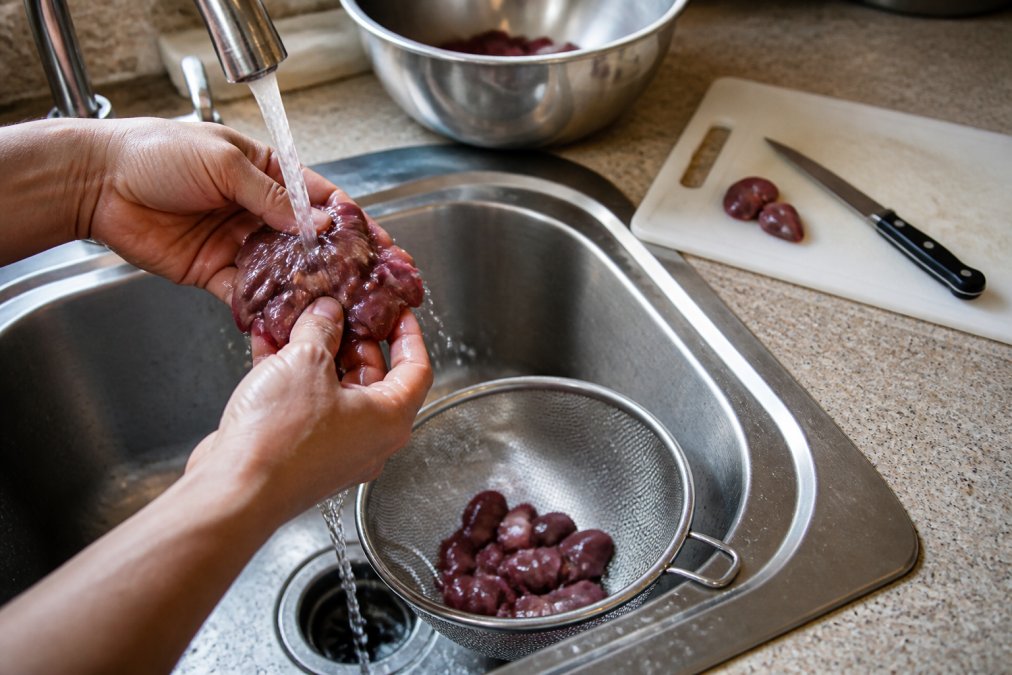
Rinse the liver under cold running water immediately after purchase, using your hands to gently separate clots and debris without applying pressure. Inspect for the bile duct and gallbladder (greenish structures), and carefully remove them to avoid bitter contamination. Trim away damaged or discolored tissue and visible connective membranes. Pat dry with a clean cloth or paper towel, excess moisture accelerates enzymatic breakdown.
Tools and Materials You'll Need
A sharp 3-4 inch knife is essential for precision work without crushing tissue. Use a plastic or glass cutting board rather than wood to avoid cross-contamination. Microfiber towels absorb moisture without requiring scrubbing that damages tissue. Cold water is critical throughout cleaning to slow cellular degradation.

Handling Raw Organ Meat Safety
Raw chicken liver carries bacteria like Salmonella and Campylobacter that cause serious foodborne illness if not handled properly. Cook chicken liver to an internal temperature of 165°F to eliminate pathogens.
Pathogen Control and Cross-Contamination Prevention
Never use the same cutting board, knife, or utensils for raw liver and ready-to-eat foods without thorough washing. Wash your hands with soap and warm water for at least 20 seconds after handling raw liver, paying special attention to under fingernails and between fingers.
Hygiene Protocols and Sanitization
Clean all surfaces that contacted raw liver with hot soapy water immediately. Use a sanitizing solution of one part bleach to ten parts water on cutting boards and countertops, allowing it to sit for at least one minute before rinsing. Store liver on the lowest refrigerator shelf in a dedicated container to prevent cross-contamination. Apply the same hygiene principles when using liver as fishing bait, wash hands after handling and keep bait separate from food preparation areas.
Chicken Liver Bait Preparation Techniques
Fishing with chicken liver requires specific techniques to keep the bait on the hook long enough to catch fish.
Trimming and Texture Control
Remove the outer membrane carefully and cut liver into appropriately sized pieces, roughly marble-sized for most catfish applications. Avoid jagged edges that tear easily. Some anglers dust cleaned liver pieces with flour, cornstarch, or specialized bait hardeners to reduce surface moisture and slow enzymatic breakdown, creating a slight crust that extends usability to 30-45 minutes in water.
Storage Methods to Prevent Mushiness
Keep chicken liver in a cooler below 40°F and never store at room temperature for more than 30 minutes. Drain excess liquid from your bait container regularly and change ice every 2-3 hours during fishing trips. For extended trips, consider shelf-stable alternatives that maintain structural integrity without refrigeration.
Why Chicken Liver Falls Apart on the Hook
When you thread a hook through chicken liver, you create a wound that immediately triggers enzymatic breakdown and cellular rupture. Blood and cellular fluid leak from the puncture site, accelerating degradation. Water accelerates this dramatically through osmotic pressure, causing cells to rupture and tissue to lose cohesion. Unlike muscle tissue with dense collagen fibers, liver tissue collapses into a paste-like consistency as cells break down, typically lasting only 15-30 minutes on a hook.
Waste Management and Cleanup After Baiting
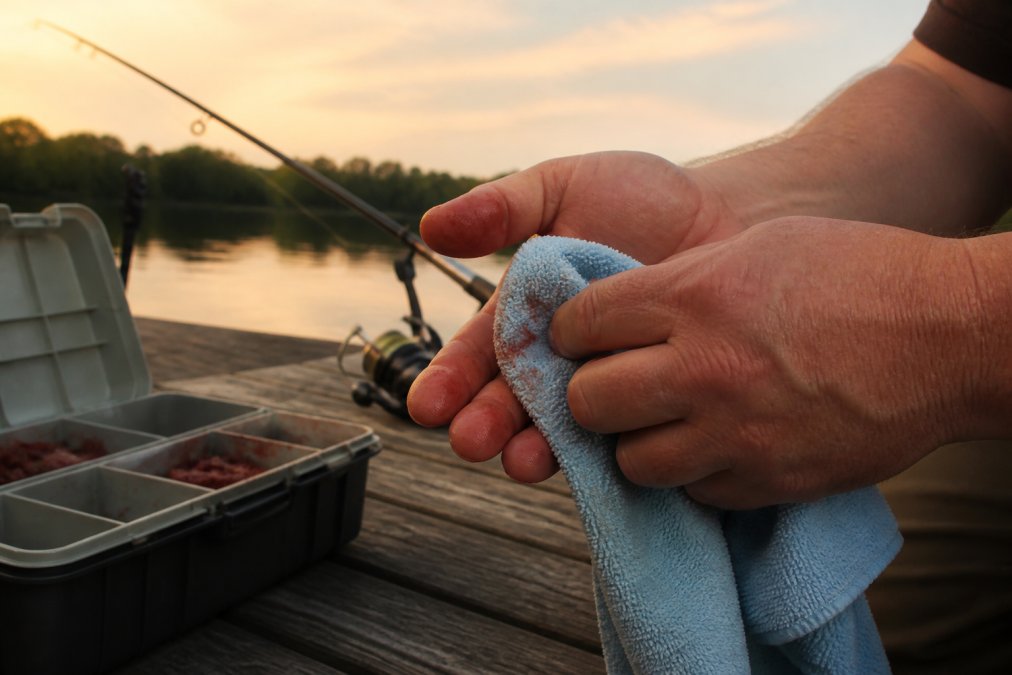
Start cleanup immediately after your fishing session, dried residue becomes much harder to remove. Rinse hands and equipment with cold water first, then wash with warm soapy water. Use a microfiber towel to wipe tackle and equipment before residue dries. Dispose of unused chicken liver properly according to local regulations. Clean your cooler thoroughly with hot water and mild bleach solution, then air dry completely.
A Better Alternative: Shelf-Stable Cut Bait
The core problem with chicken liver, that it becomes mushy and falls apart, can be eliminated entirely by using shelf-stable cut bait designed specifically for catfish. These alternatives maintain structural integrity throughout your entire fishing trip without requiring refrigeration, ice, or coolers.
Shelf-stable bait stays firm on the hook for hours, not minutes, because it's engineered to resist enzymatic breakdown and osmotic stress. You don't need to maintain ice, drain coolers, or worry about spoilage during hot weather. A single bag lasts for months, making spontaneous fishing trips feasible.
Blue River Carp, Inc. delivers premium shelf-stable cut bait from invasive carp species, infused with enticing scents that attract catfish. The bait maintains firmness and scent profile for 12+ months without refrigeration, eliminating messiness and cleanup hassles. Catfish are attracted to consistent scent cues and visual stimuli, shelf-stable cut bait delivers both reliably, without the degradation that occurs with chicken liver.
The messiness of chicken liver stems from fundamental biology: delicate cellular structure, weak connective tissue, and high fluid content make it inherently fragile and prone to rapid degradation. While proper cleaning and storage techniques minimize the problem, they don't eliminate it. If you're tired of constant cleanup and bait falling apart, consider switching to shelf-stable cut bait from Blue River Carp, Inc. You'll spend less time managing bait and more time fishing, with better results and virtually no cleanup required.
| Preparation Method | Durability on Hook | Cleanup Required | Storage Needs |
|---|---|---|---|
| Raw chicken liver | 15-30 minutes | High (blood/tissue) | Ice cooler required |
| Floured chicken liver | 30-45 minutes | High (blood/tissue) | Ice cooler required |
| Shelf-stable cut bait | 2-4 hours | Minimal (dry towel) | Tackle box only |
Frequently Asked Questions
Why does chicken liver become mushy so quickly?
Chicken liver is messy because its delicate connective tissue breaks down rapidly through enzymatic breakdown and protein denaturation. The organ's high moisture content and fragile membrane structure make it prone to disintegration, especially when exposed to air, handling, or water. This is why it falls apart on the hook within minutes and creates a slippery mess. Understanding this biology helps explain why anglers struggle with consistency when using fresh chicken liver for bait.
How do you keep chicken liver from getting everywhere when baiting a hook?
Keep chicken liver cold until the moment you use it, handle it minimally, and trim it into firm chunks rather than using whole livers. Pat it dry with a microfiber towel before baiting to reduce slipperiness. Use a quick, confident hooking motion to embed it firmly. Consider using a bait needle or threading technique for added security. A microfiber towel like our Microfiber Bait Towels ($5.00) keeps your hands dry and reduces the mess, making the process faster and cleaner.
What food safety risks come with handling raw chicken liver?
Raw chicken liver carries Salmonella and Campylobacter bacteria on its surface. Cross-contamination can occur if you touch your face, food, or fishing gear without washing your hands afterward. Always sanitize your cutting surface and tools after preparation, wash your hands thoroughly with soap, and keep chicken liver separate from food and drinking water. Store it in a sealed container away from other items. Proper hygiene protocols prevent foodborne illness and keep your fishing trip sanitary.
How long does chicken liver stay fresh for fishing?
Fresh chicken liver stays usable for only 1-2 hours at room temperature before it becomes too soft and loses scent appeal. Refrigerated, it lasts 1-2 days maximum before bacterial load increases and texture deteriorates significantly. Freezing extends shelf life to a few weeks, but thawing creates additional moisture and accelerates mushiness. This short window is why many anglers switch to shelf-stable alternatives that maintain firmness and scent for months without refrigeration, making them more convenient for spontaneous fishing trips.
This article was written using GrandRanker


