
How to Keep Bait Fresh: Complete Storage Guide
Table of Contents
- Why Keeping Bait Fresh Matters for Catfish Fishing
- Temperature Control and Ice Management
- Selecting the Right Container for Bait Storage
- Best Bait for Bank Fishing: Choosing Durable Options
- Storing Cut Bait for Catfish: Preparation and Maintenance
- Keeping Bait Fish Alive Overnight: Aeration and Water Quality
- Common Mistakes That Ruin Bait and How to Avoid Them
- Conclusion
Last Updated: August 22, 2026
Why Keeping Bait Fresh Matters for Catfish Fishing
Fresh bait is the foundation of successful catfish fishing. Without it, you're fighting an uphill battle. Dead, mushy, or deteriorated bait simply doesn't trigger strikes the way lively, intact offerings do. Catfish rely heavily on scent and texture to locate and consume food, which means how to keep bait fresh directly affects your catch rate.
The problem most anglers face is straightforward: traditional bait storage requires constant management. You need coolers, ice packs, freezer space, and the discipline to refresh everything before each trip. This complexity is why many casual fishers abandon proper bait care altogether, settling for whatever's convenient. But convenience and effectiveness rarely align in fishing.
At Blue River Carp, Inc., we understand the importance of bait quality for successful fishing. Our bait is designed to stay fresh and effective, helping anglers increase their chances of catching fish.
This guide covers everything you need to know about keeping bait fresh, from temperature management to container selection to overnight storage techniques. We'll address common mistakes that destroy bait quality and show you practical solutions that work in real fishing conditions.
Temperature Control and Ice Management
Temperature is the primary factor determining how long bait stays fresh. Catfish bait deteriorates rapidly in warm conditions because bacteria multiply exponentially as temperatures rise. The ideal temperature range for most bait is between 32°F and 50°F, with colder being generally better for preservation (the FDA).
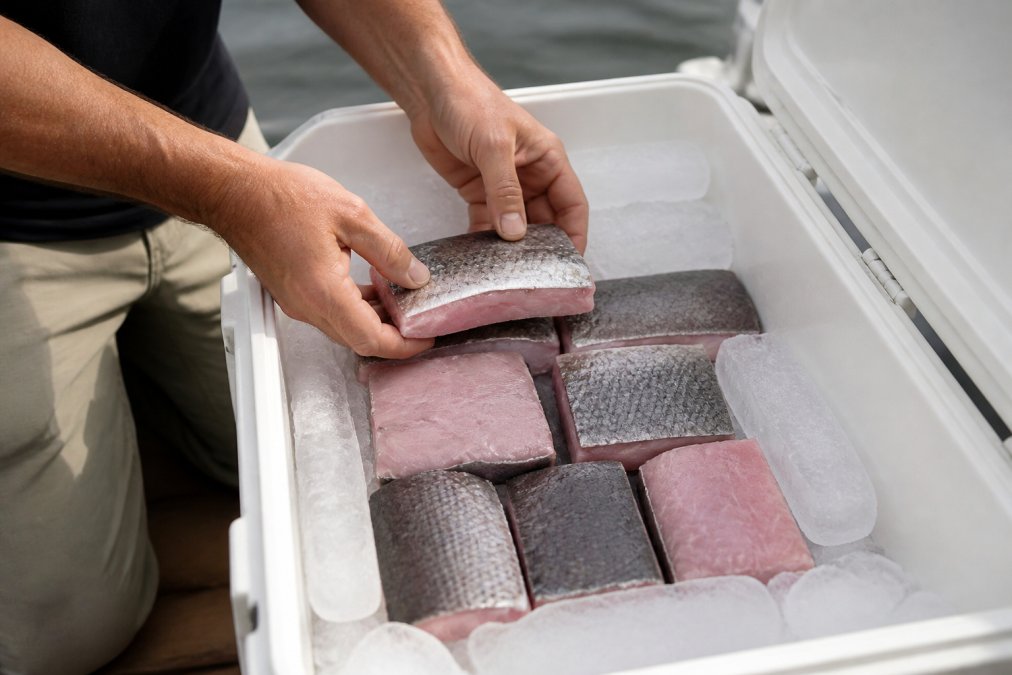
Ice management requires more strategy than simply tossing ice packs into a cooler. The most effective approach involves layering: place ice packs on the bottom of your cooler, add a barrier (newspaper or cardboard works), then arrange your bait containers on top. This prevents direct contact between ice and bait, which can freeze and damage delicate flesh. Add another layer of ice packs on the sides and top for complete insulation.
For extended trips or hot weather conditions, consider using a combination of regular ice and gel packs. Gel packs maintain consistent cold longer than melting ice, while regular ice provides initial rapid cooling. Rotate which packs you use depending on how long you'll be fishing and what the temperature forecast shows.
One critical detail most guides miss: open your cooler as infrequently as possible. Every time you open it, warm air enters and cold air escapes. Organize everything before you leave home so you can grab what you need without prolonged searching. Some experienced anglers even pre-portion their bait into smaller containers they can access without opening the main cooler.
If you're fishing in extreme heat, consider upgrading to an an insulated cooler with thicker walls. Standard coolers lose temperature too quickly in direct sun. Placing your cooler in the shade, even under a beach umbrella or fishing umbrella, makes a measurable difference in how long ice lasts and how consistently cold your bait stays.
Selecting the Right Container for Bait Storage
The container you choose dramatically impacts bait preservation. Not all containers are created equal, and using the wrong one can undo all your other efforts to keep bait fresh.
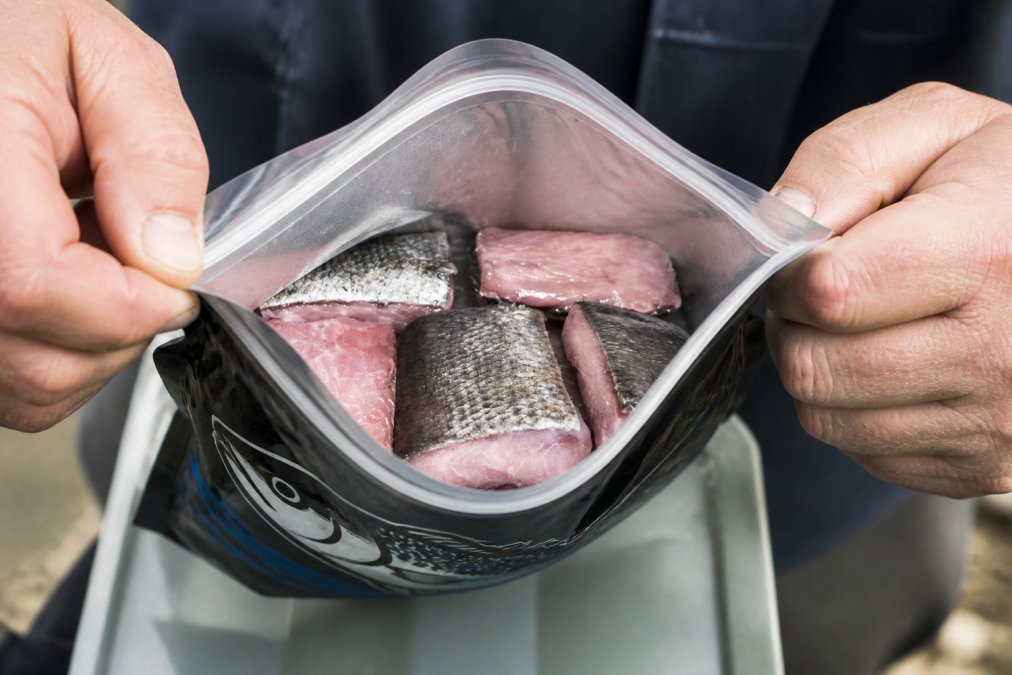
Resealable bags are the most practical option for most anglers. They're lightweight, space-efficient, and allow you to remove air before sealing, which slows oxidation and bacterial growth. Look for bags made from heavy-duty plastic that won't tear easily when packed with bait. The seal should be airtight and durable enough to withstand repeated opening and closing throughout your trip.
For anglers who prefer traditional containers, rigid plastic bait boxes work well if they have tight-fitting lids. These boxes protect bait from crushing and maintain consistent internal conditions better than soft containers. The downside is they take up more cooler space and add weight to your gear.
Avoid using open containers or bags without proper seals. Exposure to air accelerates spoilage and allows bait to dry out, which ruins its effectiveness. Similarly, don't store bait directly on ice without protection. The melting ice creates a wet environment that promotes bacterial growth and breaks down bait texture.
Consider the size of your container relative to your fishing needs. Overstuffing containers forces out air and can compress bait into unusable clumps. Conversely, containers that are too large leave excessive air space, which speeds oxidation. The ideal container is just large enough to hold your bait comfortably without excess room.
Best Bait for Bank Fishing: Choosing Durable Options
When you're bank fishing, you're often without immediate access to a cooler or ice. This means your bait choice becomes critical.
Cut bait is generally superior to live bait for bank fishing because it's more forgiving. Live bait requires constant aeration and water quality management, which is difficult to maintain from a bank without specialized equipment. Cut bait, by contrast, remains effective even if it dries slightly on the surface, as long as the interior stays intact.
The best bait for bank fishing is durable cut bait that's been properly preserved. Blue River Carp, Inc. produces cut bait specifically designed for extended shelf life without refrigeration. Our 12+ month shelf life means you can keep bait in your tackle box without worrying about spoilage, making it ideal for spontaneous fishing trips or situations where cooler space is limited.
Chicken liver, a traditional catfish bait, deteriorates quickly in warm conditions. If you use it, keep it in a sealed container with ice and replace it frequently. Shad and herring-based baits hold up better but still require temperature management. Pre-cut bait that's been treated with preservatives maintains quality longer than fresh-cut bait you prepare yourself.
Consider your fishing style when selecting bait. Bank anglers who fish the same spot repeatedly benefit from durable bait they can store in a tackle box. Anglers who move frequently might prefer compact, lightweight options that don't require cooler space. For catfish specifically, scent-infused options can attract fish more effectively.
Storing Cut Bait for Catfish: Preparation and Maintenance
Proper preparation before storage is where many anglers lose their advantage. How you initially handle and package your bait determines how well it maintains quality over time.
Start with clean hands and clean tools. Bacteria from your hands transfer to bait and accelerate spoilage. Wash thoroughly before handling bait, or wear disposable gloves. If you're cutting bait yourself, use clean knives and cutting boards. Cross-contamination from other foods or surfaces introduces bacteria that degrades bait rapidly.
When storing cut bait for catfish, ensure pieces are cut to appropriate size for your target. Oversized chunks take longer to release scent, while tiny pieces fall apart quickly on the hook. Standard sizing is roughly 2 to 3 inches for chunks and 1 to 2 inches for nuggets. Consistent sizing helps with both effectiveness and storage since uniform pieces pack more efficiently and experience more consistent preservation.
Pat bait dry before sealing it in containers. Excess moisture creates an environment where bacteria thrives. A paper towel works well for this. Don't soak bait, but don't let it dry out completely either. The goal is damp, not wet.
If you're storing cut bait overnight, place it in your coldest location. Many anglers use a dedicated bait compartment in their freezer set to the coldest non-freezing temperature, around 32°F to 35°F. This slows bacterial growth without freezing the bait solid, which would damage texture and reduce scent dispersal.
Consider dividing larger quantities into smaller portions. This way, you only open the container you're using, leaving other portions undisturbed and fresher longer. Vacuum-sealed bags are excellent for this approach if you have access to a vacuum sealer.
Keeping Bait Fish Alive Overnight: Aeration and Water Quality
Live bait requires fundamentally different storage than cut bait. The primary challenge is maintaining adequate oxygen and water quality in a confined space overnight.
A proper bait tank or aeration system is essential for keeping bait fish alive. Without it, fish suffocate within hours. The system needs to circulate water and introduce oxygen continuously. Battery-powered aerators designed for bait tanks are affordable and effective. They run 8-12 hours on a single charge, which covers a full overnight period.
Water quality matters as much as oxygen. Fish waste accumulates quickly in small volumes of water, creating ammonia that poisons the remaining fish. Change water frequently if you're keeping fish longer than a few hours. If you're storing overnight, consider using a small filtration system alongside aeration. Even basic filtration removes waste products and extends fish survival significantly.
Temperature control applies to live bait just as it does to cut bait. Keep water between 50°F and 65°F for most species (the CDC). Warmer water holds less dissolved oxygen and accelerates waste buildup. In summer, place your bait tank in shade and add ice packs around (not directly in) the tank to maintain cool temperatures.
Avoid overcrowding your bait container. Fish need space to swim, and crowding increases stress and accelerates waste production. A general rule is roughly one gallon of water per fish for overnight storage (usgs.gov). This isn't generous, but it's the minimum for basic survival.
Before using bait fish the next day, check them carefully. Remove any dead or dying fish immediately, as they decompose rapidly and foul the water for remaining fish. Healthy bait fish should be active and responsive. Lethargic fish are stressed and won't perform as well on the hook.
Common Mistakes That Ruin Bait and How to Avoid Them
Most anglers make the same preventable errors that destroy bait quality. Understanding these mistakes helps you avoid them.
Mistake 1: Leaving bait in direct sunlight. Sun exposure heats bait rapidly and accelerates spoilage. Always keep your cooler or bait container in shade. Even 30 minutes in direct sun can noticeably degrade bait quality. This is especially critical during midday fishing when the sun is strongest.
Mistake 2: Overpacking your cooler. Cramming too much into a cooler reduces air circulation and prevents ice from cooling everything evenly. Pack strategically with ice packs positioned to cool all areas. Leave some space for air movement.
Mistake 3: Using warm water for live bait tanks. Warm water kills fish faster than cold water. Even a 10-degree difference in temperature significantly impacts survival rates. Keep bait fish in the coldest water practical for overnight storage.
Mistake 4: Mixing different bait types in the same container. Different baits have different preservation requirements. Cut bait and live bait shouldn't share space. Additionally, storing bait with strong odors (like certain fish species) can contaminate other baits and affect their effectiveness.
Mistake 5: Neglecting to seal containers properly. Air exposure is one of the primary factors in bait degradation. Improperly sealed containers allow oxidation and drying. Always ensure lids are tight and bags are properly sealed.
Mistake 6: Reusing old ice. Ice that's melted and refrozen loses cooling efficiency. Always use fresh ice for each trip. This is a small detail that makes a measurable difference in how long bait stays fresh.
Mistake 7: Storing bait in inconsistent temperatures. Temperature fluctuations accelerate bacterial growth. Keep your cooler in one location rather than moving it in and out of sun. Consistency matters more than absolute coldness.
Mistake 8: Ignoring bait that's already beginning to degrade. If bait starts to smell off or shows visible slime, discard it. Using compromised bait wastes time on the water and might not trigger strikes anyway. Fresh bait is always worth the effort.
The solution to most of these mistakes is simple planning. Organize your cooler before you leave home. Check your bait condition before you fish. Use quality containers and ice products. These basics prevent 90% of bait quality problems.
Conclusion
Keeping bait fresh is non-negotiable if you want consistent catfish catches. The techniques covered here, temperature control, proper containers, smart selection, and overnight storage methods, directly translate to more fish on the line.
If you're tired of managing coolers and ice, consider premium pre-preserved bait like Blue River Carp, Inc. offers. Our cut bait maintains freshness for 12+ months without refrigeration, stays firm on the hook, and comes pre-scented to attract catfish effectively. Available in 7oz nuggets and 10oz chunks, our bait eliminates the complexity of traditional storage while delivering practical advantages. Start with our Best 3 - 7oz Nugget Bundle to experience the difference quality bait makes.


| Storage Method | Best For | Temperature Range | Shelf Life |
|---|---|---|---|
| Cooler with ice packs | Day trips, traditional fishing | 32°F-50°F | 8-12 hours |
| Bait tank with aeration | Live bait overnight | 50°F-65°F | 12-24 hours |
| Sealed container, shade | Bank fishing, spontaneous trips | Ambient, shaded | Varies by bait type |
| Premium preserved bait | Long-term storage, convenience | Room temperature | 12+ months |
Frequently Asked Questions
Q: How long can I keep bait fresh without refrigeration?
A: Properly stored bait can stay fresh for extended periods depending on the type. Premium preserved cut bait, like Blue River Carp's offerings, maintains freshness for 12+ months without refrigeration when kept in a cool, dark place. Live bait typically lasts 24-48 hours in a well-aerated bucket with proper water quality. The key is controlling temperature, maintaining humidity, and ensuring adequate oxygenation to prevent spoilage and bait mortality.
Q: What's the best way to keep cut bait fresh for catfish?
A: Store cut bait in a cool, dark location away from direct sunlight, which accelerates spoilage. Use airtight, resealable containers to maintain moisture and prevent oxidation. If you're fishing the same day, keep your bait in a cooler with ice packs rather than loose ice, which can damage the bait and dilute it with water. Pre-cut bait chunks from quality sources like Blue River Carp stay fresher longer because they're already preserved and don't require constant temperature regulation.
Q: How do I know if my bait has gone bad?
A: Signs of spoilage include discoloration, strong unpleasant odors beyond normal fish smell, slime coating, mold growth, and mushy texture. Fresh bait should be firm, have a natural fish scent, and maintain its color. If your live bait appears lethargic, floats unnaturally, or has visible injuries beyond normal handling, it's declining. Preserved cut bait that's properly stored won't show these signs for months, making it a reliable option for anglers who fish infrequently.
Q: What container is best for storing live bait overnight?
A: Use a bait tank or bucket with a drain plug to manage water quality and remove excess moisture. The container must allow for aeration, either through an air pump, regular water changes, or small holes for water circulation. Avoid metal containers, which can corrode and leach harmful substances. For cut bait, resealable bags work well for storage at home, while a small cooler with ice packs is ideal for transport to the fishing spot. Proper container selection prevents bait mortality and maintains freshness.
This article was written using GrandRanker


