

Best Time of Day for River Fishing
Table of Contents
- The Best Time of Day for River Fishing
- Early Morning Fishing: The Golden Window
- Evening and Dusk: The Second Peak
- Midday Fishing: Conditions and Tactics
- Best Time to Fish for Catfish in Rivers
- Best Time to Fish for Trout in a River
- How Sunlight, Shade, and Weather Shape Your Success
- Best Bait for River Fishing and Timing
- Frequently Asked Questions
Last Updated: October 14, 2026
The Best Time of Day for River Fishing
Timing isn't just about luck. It's about understanding when fish feed, how water temperature shifts, and what weather conditions trigger bites. The best time of day for river fishing depends on species, season, and water conditions, but there are patterns that work across most situations.
Success on the water comes down to matching your timing to actual fish behavior. Early morning and late evening are reliable windows, but they're not always the only ones that work. Midday fishing gets written off too quickly.
This guide covers the timing strategies that actually move the needle. We'll break down how sunlight, temperature, and flow conditions affect fish activity. We'll also show you how to adapt your approach when conditions change, because rigid rules fail on the water.
Early Morning Fishing: The Golden Window
Dawn and Sunrise Feeding Activity
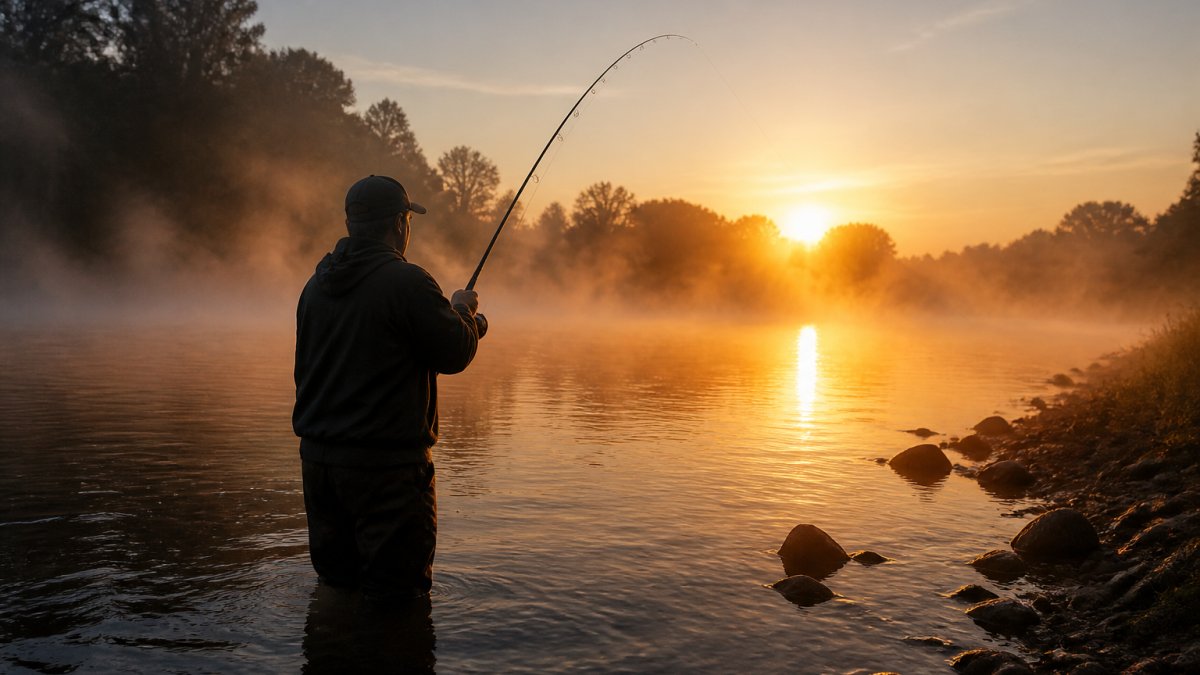
The first two hours after sunrise deliver consistent bites. Fish are most active during this window because light levels are low, water temperature is cool, and baitfish are moving. Predators know this. They feed aggressively.
Early morning works across species. Catfish, trout, and other river predators follow the same pattern: they hunt when prey is most vulnerable. The low light gives them cover. The cool water keeps them active. Insects are hatching. Small fish are feeding.
What makes dawn special:
- Low light levels reduce fish caution
- Water temperature is coolest (optimal for many species)
- Baitfish activity peaks as insects hatch
- Less angler pressure means less spooked fish
Start fishing 30 minutes before sunrise. You'll catch the tail end of the night bite and the beginning of the morning peak. Most anglers show up too late and miss the best hour.
Water Temperature and Early Light
Water temperature controls fish metabolism. Cold water means slower movement and less feeding. As the sun rises and water warms slightly, fish become more active, but only to a point.
Early morning keeps water cool. This is ideal for trout and catfish that thrive in cooler conditions. As the day progresses and the sun climbs higher, water temperature rises.
The light angle also matters. At dawn, sunlight hits the water at a low angle. This creates shadows and reduces visibility. Fish feel safer feeding in shallow water. As the sun climbs higher, the light becomes more direct and penetrating.
Evening and Dusk: The Second Peak
Sunset and Late-Day Fish Behavior
Evening fishing mirrors the early morning bite. Fish feed aggressively for 1-2 hours before sunset and for 30 minutes after. The same conditions that trigger morning bites return: lower light, cooler water, and active prey.
Dusk is when baitfish move toward shallow water to rest. Predators follow. The feeding window is shorter than morning, but the intensity is often higher. Fish know the sun is setting. They feed hard before darkness falls.
Late-day fishing works best in fall and winter when sunset comes earlier. In summer, the evening bite may not start until 7 or 8 PM. In spring and fall, it can start by 5 or 6 PM. Check local sunset times and plan to fish the last 90 minutes of daylight.
Evening conditions favor:
- Lower light levels similar to dawn
- Slightly cooler water after a day of warming
- Active baitfish movement toward rest areas
- Reduced angler pressure (most people leave by evening)
Midday Fishing: Conditions and Tactics
Midday gets a bad reputation. Most guides say fishing is slow from 10 AM to 4 PM. That's only true if you fish the wrong way.
Midday works when you target shade, deeper water, and current breaks. Fish don't disappear at noon. They move. They go where it's cooler and where current brings food.
Bright sunlight pushes fish deeper. They seek shade under trees, rock overhangs, and dense vegetation. Current breaks behind large rocks create feeding zones where fish wait for food to drift past. These spots are goldmines at midday.
Water temperature rises during the day. Fish slow down in warm water. But they still feed. They just do it in specific zones where conditions stay favorable. Find those zones and you'll catch fish when everyone else is eating lunch.
Midday tactics:
- Fish deeper than you would at dawn
- Target shade and current breaks
- Use darker baits that stand out in bright conditions
- Fish slower, more deliberate presentations
- Focus on structure (rocks, logs, deep holes)
Best Time to Fish for Catfish in Rivers
Catfish Feeding Windows and Seasonal Shifts
Catfish are night feeders. They hunt most aggressively from dusk through midnight and again from pre-dawn until sunrise.
Water temperature drives catfish behavior more than light. Catfish thrive in warm water.
Seasonal timing for catfish:
Spring (March-May): Water warming triggers spawning behavior. Catfish feed heavily before and after spawning. Early morning and evening produce steady bites. Midday fishing works if you target deep holes.
Summer (June-August): Peak catfish season. Nighttime fishing is most productive. Evening through midnight is the prime window. Daytime fishing is slow except in deep, cool water.
Fall (September-November): Water cooling triggers aggressive feeding. Catfish prepare for winter. Morning and evening bites are excellent. Midday fishing improves as water temperature drops.
Winter (December-February): Catfish activity drops significantly. They feed less often but feed harder when they do. Target deep holes and slow water.
For best time to fish for catfish in rivers, match the season to water temperature. Use a thermometer. Water below 50°F slows catfish metabolism.
Best Time to Fish for Trout in a River
Trout Activity and Water Conditions
Trout prefer cold water. They're most active when water temperature stays between 50-65°F. Early morning and evening deliver these conditions year-round.
Catfish Weekend Kit - 4 x 7oz Nuggets →
Best time to fish for trout in a river depends on season:
Spring: Water is cold from snowmelt. Trout feed all day because water temperature stays low. Early morning and evening are still best, but midday fishing is productive.
Summer: Trout retreat to deep, cold water. Early morning (before water warms) and evening (after water cools) are the only reliable times.
Fall: Water cools as daylight decreases. Trout become active again throughout the day. Early morning and evening are excellent. Midday fishing improves significantly.
Winter: Water is cold. Trout are sluggish but feed. Early morning produces the best bites. Midday fishing can work if you fish slowly and deliberately.
Trout follow insects. Mayflies hatch in the morning. Caddisflies hatch in the evening. Match these hatches and you'll connect with feeding trout. Early morning and evening align with peak insect activity.
How Sunlight, Shade, and Weather Shape Your Success
Cloud Cover and Light Rain
Cloud cover changes everything. Overcast conditions extend the feeding window. Fish feel safer feeding in shallow water when the sun is blocked. An overcast morning can produce bites all day.
Light rain improves fishing. Rain cools water slightly and increases surface disturbance. Fish become more aggressive. The sound of rain masks vibrations from your footsteps. Fish are less spooky.
Heavy rain is different. It muddies water and changes current patterns. Fish may feed harder as visibility drops and they rely more on smell and lateral line sensing. But heavy rain also makes rivers dangerous. Safety comes first.
Sunny days push fish deeper and into shade. Overcast days let fish feed in shallower water. Plan your strategy around cloud cover. If the forecast calls for sun, focus on early morning and evening.
River Current Speed and Water Level Changes
Current speed determines where fish feed. Fast current requires more energy to hold position. Fish stack in slower water behind rocks, logs, and other structure.
Slow current means fish can spread out. They feed in open water and shallow areas. Slow water is easier to fish because you can cover more area.
Water level changes trigger feeding. Rising water brings new food sources into the river. Fish become aggressive. Falling water concentrates fish in deeper pools.
Heavy rain raises water level and increases current. Fish move to slower water. Target the edges of the current and behind large structure. Use heavier baits that stay in the strike zone.
Low water concentrates fish in deeper holes. Fishing is easier because fish are predictable. They stack in known locations. Target these zones directly.
| Condition | Fish Behavior | Best Tactic |
|---|---|---|
| High water, fast current | Fish move to slow edges | Fish behind structure, near banks |
| Low water, slow current | Fish spread out, less aggressive | Cover more area, fish shallower |
| Overcast skies | Fish feed all day | Fish midday, not just dawn/dusk |
| Sunny skies | Fish move deep, feed early/late | Focus on early morning and evening |
| Light rain | Fish become aggressive | Fish harder, all times productive |
| Cold water (below 50°F) | Catfish slow down, trout active | Target deep holes, fish slowly |
| Warm water (above 75°F) | Catfish active, trout retreat | Fish at night for catfish, early morning for trout |
Best Bait for River Fishing and Timing
Matching Bait to Peak Feeding Times
Bait choice matters more at certain times. Early morning and evening fishing works with almost any bait because fish are aggressive.
For catfish, scent-infused cut bait works best. Catfish rely on smell.

For trout, smaller baits match the insects they eat. Nymphs and small streamers work early morning and evening.
Bait freshness matters most during slow periods. Fresh bait releases more scent and attracts fish from farther away.
Blue River Carp, Inc. produces cut bait specifically designed for catfish. Our bait stays fresh without refrigeration for 12+ months.
The Catfish Weekend Kit gives you four scent varieties in one package: Blood, Garlic, Shad, and Natural.

For midday fishing when catfish are deep and sluggish, use the strongest scent available. Our 10oz Catfish Cut Bait Chunks are larger pieces that work well for trophy catfish in deep water.
Early morning and evening allow smaller baits. The 7oz Catfish Cut Bait Nuggets are pre-cut to 1" x 2", ideal for channel catfish and rod-and-reel fishing.

Timing on the river comes down to understanding fish behavior, not following rigid rules. Early morning and evening deliver consistent results.
The right bait makes timing matter less. Get started with Blue River Carp, Inc. bait and you'll be prepared for every timing situation the river throws at you.
Frequently Asked Questions
What is the best time of day to fish in a river?
Early morning (dawn to two hours after sunrise) and evening (two hours before sunset through dusk) are the most productive times for river fishing. During these periods, fish move into shallower water to feed as light levels change. Midday fishing is possible but typically slower, especially in clear water under bright sunlight. Water temperature, weather, and river conditions modify these windows, overcast days extend feeding activity throughout the day.
Is river fishing better at dawn or dusk for catfish?
Both dawn and dusk work well for catfish, but many anglers prefer dusk into the night because catfish are primarily nocturnal feeders. Catfish rely more on smell and lateral line detection than sight, so they actively feed in low-light conditions. Dawn fishing can be productive, especially in spring and fall. Evening and night sessions often produce larger specimens. Water temperature and seasonal changes influence catfish activity more than the specific time of dawn or dusk.
Does river fishing get better after rain?
Yes, light to moderate rain typically improves river fishing. Rain reduces light penetration, triggers feeding activity, and increases water movement. Heavier rain that causes significant runoff can muddy the water and reduce visibility, making it harder for fish to locate bait. Recent rainfall that raises water level slightly often activates fish, particularly in streams where increased flow brings fresh food. Check water clarity before heading out, slightly stained water is better than heavily discolored water.
How does water temperature affect the best time to fish a river?
Water temperature directly controls fish metabolism and feeding behavior. Cold water (below 50°F) slows fish activity, compressing feeding windows into brief periods around midday when water warms slightly. Moderate water (50-65°F) produces reliable dawn and dusk bites. Warm water (above 70°F) often pushes fish deeper and into shade, making early morning and night fishing more productive. Seasonal changes, fall turnover, spring warming, shift optimal fishing times throughout the year.


