
Eco Friendly Fishing Bait Options: 2026 Angler Guide
Table of Contents
- Why Anglers Are Switching to Eco Friendly Bait
- Quick Comparison: Top Eco Friendly Bait Options
- Plant-Based Dough and Pack Baits
- Invasive Species Bait Benefits for Your Local Waters
- Biodegradable Soft Plastic Lures: What to Know
- Best Bait for Bank Fishing with Eco Friendly Options
- Shelf Life, Storage, and Disposal Guidelines
- Conclusion
- Frequently Asked Questions
Last Updated: September 23, 2026
Why Anglers Are Switching to Eco Friendly Bait
Eco friendly fishing bait options are lures, doughs, and pack baits built from materials that break down in water instead of persisting for decades. Blue River Carp, Inc. has watched this shift firsthand: anglers want bait that catches fish without leaving plastic behind. The case for switching starts with what traditional soft plastics leave in the water.
The Microplastics Problem in Our Waterways
Traditional soft plastics are PVC-based. PVC doesn't biodegrade in any meaningful timeframe. Instead, it fragments through hydrolysis and mechanical wear into smaller and smaller pieces, a process that feeds bio-accumulation up the food chain.
Quick Comparison: Top Eco Friendly Bait Options
The best eco friendly fishing bait options fall into three families: plant-based doughs and pack baits, invasive-species fish baits, and biodegradable soft plastics. Each has a different job.
| Bait Type | Best For | Breakdown | Shelf Life |
|---|---|---|---|
| Plant-based dough/pack bait | Bank and carp fishing | Days to weeks | Months, dry |
| Invasive carp cut bait | Catfish, scent trails | Days | 12+ months |
| Biodegradable soft plastics | Cast-and-retrieve fishing | Weeks to months | Varies |
| Corn pellets and meals | Chumming, groundbait | Days | Months, dry |
Plant-Based Dough and Pack Baits
Plant-based dough and pack baits are the cheapest eco friendly fishing bait options, and they outperform most store-bought mixes for carp and catfish. The base is simple: cornmeal, oats, wheat meal, and a binder.


Cornmeal, Oats, and Wheat Meal Bases
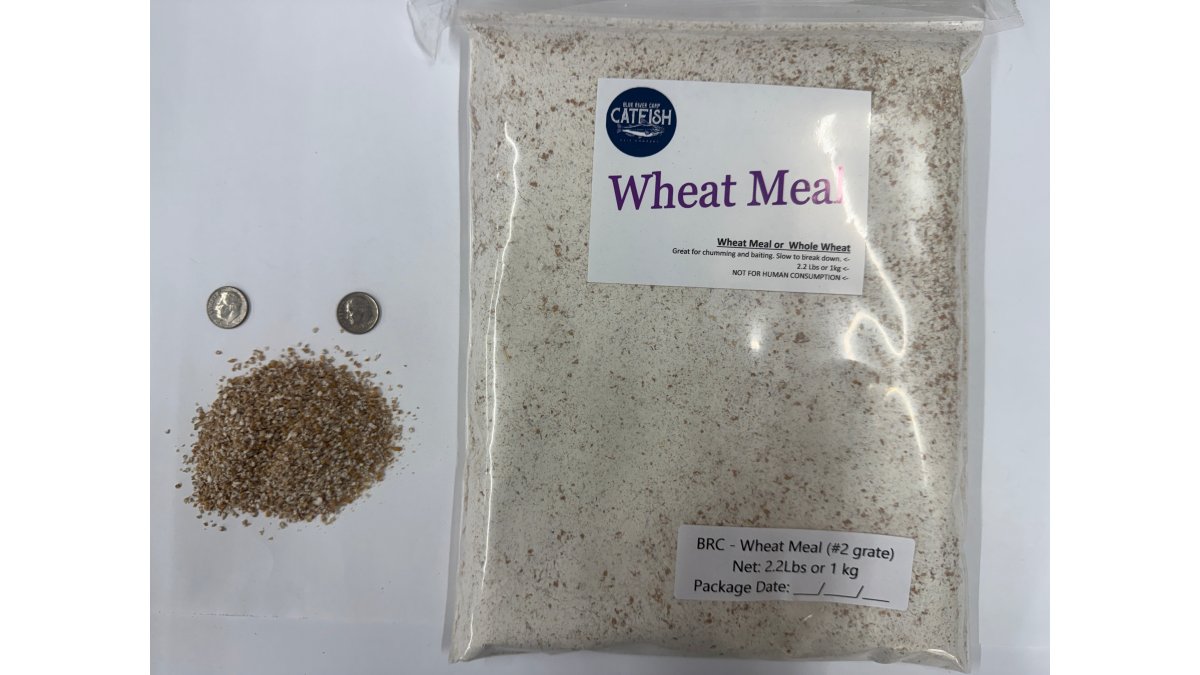
Each base ingredient does a different job. Cornmeal creates the scent cloud. Oats add stickiness and binding power. Wheat meal holds the mix together and releases nutrients slowly as it breaks down.

- Cornmeal: strong scent trail, firm texture, low cost
- Steamed rolled oats: binding and bulk, absorbs liquid
- Wheat meal: structural binder, roughly 70% carbohydrate
- Cottonseed meal: high-protein attractant, sweet smell
Invasive Species Bait Benefits for Your Local Waters
Invasive species bait benefits go beyond catching fish: using Asian carp as bait turns an ecological problem into a fishing advantage. Asian carp crowd out native species in rivers across the Midwest, and commercial harvest is one of the few tools that scales.
Biodegradable Soft Plastic Lures: What to Know
Biodegradable soft plastic lures replace PVC with plant-based or water-soluble polymers that microbes and water can actually break down. The category splits into three working chemistries, and each behaves differently on the hook.
- Gelatin-based: Made from animal or plant collagen. Soft, lifelike action, fast breakdown. Best in cool water where the body holds shape longer.
- Glycerin-based: Firmer body, slower breakdown, holds up better in warm water and around cover.
- PVA blends: Fully water-soluble. Ideal for bag presentations and scent-delivery rigs where the bait is meant to dissolve, not persist.
How They Actually Break Down
Biodegradation here is a two-step process. First, water and microbes attack the polymer chains, softening the body. Second, enzymes break the chains into smaller compounds that bacteria consume. The rate depends on three variables: water temperature, microbial load, and the surface area exposed. A torn bait breaks down faster than an intact one because more surface is available to microbes.
Performance Trade-Offs You Should Expect
Biodegradable soft plastics are generally softer than PVC. That means better action and a more natural flutter, but shorter life on the hook. Most anglers report replacing them more often per fish than they would a traditional plastic. The trade-off is real and worth naming honestly.
- Action: Softer body, more lifelike movement, especially on slow retrieves.
- Durability: Fewer fish per bait. Plan on carrying more than you would with PVC.
- Scent: Plant-based formulas often accept scent oils and attractants better than PVC because the surface is more porous.
- Rigging: Softer bodies tear at the hook eye. A drop of superglue at the nose or a bait keeper hook extends life noticeably.
What "Biodegradable" Actually Means
Best Bait for Bank Fishing with Eco Friendly Options
The best bait for bank fishing is a pack bait or dough mix, because it stays put on the bottom and releases scent without constant recasting. Bank anglers can't chase fish, so the bait has to do the work.
Preserved Ground Fish — Furbearer →
Shelf Life, Storage, and Disposal Guidelines
Shelf life is where eco friendly bait separates itself from the pack, and where most guides stop short. The gap is not the numbers, it is the mechanics of keeping bait fresh in a tackle box that swings between a hot truck bed and a cool riverbank.
Storage Mechanics That Actually Matter
Three factors drive premature degradation: heat, moisture, and oxygen. Dry plant-based ingredients are the most forgiving. Cooked dough and paste are the least. Biodegradable soft plastics sit in the middle and are the most sensitive to heat.
- Dry meals and pellets: Sealed bag, cool and dry. A resealable mylar or heavy-duty zip bag outperforms a thin plastic bag because it blocks moisture vapor.
- Preserved fish bait: Sealed bag, no refrigeration needed. Keep it out of direct sun; heat accelerates oil separation even in preserved products.
- Cooked dough and paste: Refrigerate in an airtight container. Use within about a week. Freezing extends life but changes texture, thaw slowly and re-knead before molding.
- Biodegradable soft plastics: Sealed, out of sun, away from petroleum-based plastics. Some anglers add a silica packet to the bag to absorb moisture.
Shelf Life at a Glance
| Bait Type | Storage | Shelf Life | Disposal |
|---|---|---|---|
| Dry meals and pellets | Sealed bag, cool and dry | Months | Compost or trash |
| Preserved fish bait | Sealed bag, no refrigeration | 12+ months | Trash, never water |
| Cooked dough/paste | Refrigerated, airtight | Up to 1 week | Trash |
| Biodegradable plastics | Sealed, out of sun | Varies by formula | Trash |
Disposal: The Part Anglers Get Wrong
"Biodegradable" does not mean "throw it in the lake." Pack out every leftover, including plant-based dough. Breakdown in a landfill or a home compost bin is fine. Breakdown in the water is still litter, and in many waters it is also a regulation violation.
Regulatory and Certification Context
Before using corn, dough, or fish-based chum, check your state fishing regulations. Rules vary widely. Some waters restrict chumming entirely. Some ban corn specifically because of concerns about fish digestion and water quality. Others allow it freely. The only reliable source is your state wildlife agency's current regulations booklet or website.
Conclusion
The real challenge with eco friendly bait isn't finding options. It's matching the right material to your fishing style, then storing and disposing of it properly so the environmental benefit actually holds up.
Frequently Asked Questions
What can I use instead of bait for fishing?
You can use plant-based doughs made from cornmeal, oats, or wheat meal mixed with molasses or vanilla. These create strong scent trails and are fully biodegradable. Other options include compressed corn pellets, cottonseed meal, and soybean meal. For catfish and carp, preserved ground fish from invasive Asian carp works well and requires no refrigeration. Many anglers also use bread dough with cottonseed meal as a simple, effective alternative to traditional baits.
Are there truly biodegradable fishing lures available?
Yes, biodegradable soft plastic lures are available and made from materials like gelatin, glycerin, and plant-based polymers. These lures break down through hydrolysis and microbial action in water, unlike traditional PVC lures that persist for decades. Look for products labeled as non-toxic and free of synthetic polymers. Keep in mind that biodegradable lures may have a shorter shelf life and can degrade faster in warm conditions, so store them properly.
Does using invasive species as bait help the environment?
Using invasive species like Asian carp as bait does help the environment. Harvesting these fish removes them from waterways where they outcompete native species. Companies like Blue River Carp turn invasive Asian carp into preserved ground fish bait, and every bag sold supports removal efforts from rivers like the Ohio. This creates a demand for commercial fishing of invasive species, which reduces their populations and helps native aquatic ecosystems recover.
How do biodegradable soft plastics compare to traditional lures?
Biodegradable soft plastics break down in water through hydrolysis and microbial action, while traditional PVC lures persist for decades and contribute to microplastics. In terms of performance, biodegradable lures may have slightly less durability and a shorter shelf life, but they still catch fish effectively. They are non-toxic and safer for aquatic ecosystems. Traditional lures offer longer storage life and may hold up better to repeated casts, but they carry a higher environmental cost.
What are the most effective natural baits for bank fishing?
For bank fishing, the best eco friendly bait options include pack baits made from cornmeal, oats, and cottonseed meal, which create scent trails that draw fish close. Compressed corn pellets work well for chumming near the bank. Preserved ground fish from invasive carp is highly effective for catfish and requires no refrigeration. Dough balls made with wheat meal and molasses also perform well. These baits are biodegradable and safe for the water.